First Edition. 2 Volumes. Quarto. [12], xlviii, 358, [2, blank]; [4], 380, [2, blank] pp. With "List of Subscribers." Bound in contemporary calf, spine with gilt raised bands, second panels with red spine labels titled in gilt, third panels numbered in gilt. Printed and sold by R. and A. Foulis (Glasgow) & sold by A. Millar and T. Longman (London), 1755.
Some light wear and a few minor abrasions to the binding, the headcap of Volume I worn but holding, a tiny hole to the bottom of the spine of Volume I, very occasional light spotting and the occasional minor blemish internally; a very good example.
Provenance: Each volume contains the armorial bookplate of Sir William Maxwell of Monreith. Monreith House was commissioned in 1791 by Sir William Maxwell, 4th Baronet, and designed by the Edinburgh architect Alexander Stevens. The Maxwell family’s Scottish lineage dates back to the 12th century, and the Maxwells of Monreith baronetcy was granted by Charles II in 1681. Over the course of multiple generations, the Maxwells of Monreith have held important roles in political, military, and literary life. (The Country Seat.)
Francis Hutcheson (1694-1746) is widely acknowledged as one of the most influential figures of the Scottish Enlightenment. Hutcheson was Chair of Moral Philosophy at the University of Glasgow (1729– 46); his successor but one was Adam Smith, followed by Thomas Reid. In “A System of Moral Philosophy” Hutcheson puts forward the ideas he had conceived as a minister and the Chair of Moral Philosophy at the University of Glasgow. The book was published posthumously by his son. It is “the most voluminous of Hutcheson's writings; it is also the most ambitious in scope. It contains his most comprehensive account of human nature, the supreme good and greatest happiness, divine providence, natural rights, and civil government. His design in the System appears to have been to delineate a theodicy, in which God or providence is shown to have made provision for the happiness of the human race.” (ODNB).
Please contact us for shipping costs if ordering from outside the UK.
First Edition. 2 Volumes. Quarto. [12], xlviii, 358, [2, blank]; [4], 380, [2, blank] pp. With "List of Subscribers." Bound in contemporary calf, spine with gilt raised bands, second panels with red spine labels titled in gilt, third panels numbered in gilt. Printed and sold by R. and A. Foulis (Glasgow) & sold by A. Millar and T. Longman (London), 1755.
Some light wear and a few minor abrasions to the binding, the headcap of Volume I worn but holding, a tiny hole to the bottom of the spine of Volume I, very occasional light spotting and the occasional minor blemish internally; a very good example.
Provenance: Each volume contains the armorial bookplate of Sir William Maxwell of Monreith. Monreith House was commissioned in 1791 by Sir William Maxwell, 4th Baronet, and designed by the Edinburgh architect Alexander Stevens. The Maxwell family’s Scottish lineage dates back to the 12th century, and the Maxwells of Monreith baronetcy was granted by Charles II in 1681. Over the course of multiple generations, the Maxwells of Monreith have held important roles in political, military, and literary life. (The Country Seat.)
Francis Hutcheson (1694-1746) is widely acknowledged as one of the most influential figures of the Scottish Enlightenment. Hutcheson was Chair of Moral Philosophy at the University of Glasgow (1729– 46); his successor but one was Adam Smith, followed by Thomas Reid. In “A System of Moral Philosophy” Hutcheson puts forward the ideas he had conceived as a minister and the Chair of Moral Philosophy at the University of Glasgow. The book was published posthumously by his son. It is “the most voluminous of Hutcheson's writings; it is also the most ambitious in scope. It contains his most comprehensive account of human nature, the supreme good and greatest happiness, divine providence, natural rights, and civil government. His design in the System appears to have been to delineate a theodicy, in which God or providence is shown to have made provision for the happiness of the human race.” (ODNB).
Please contact us for shipping costs if ordering from outside the UK.


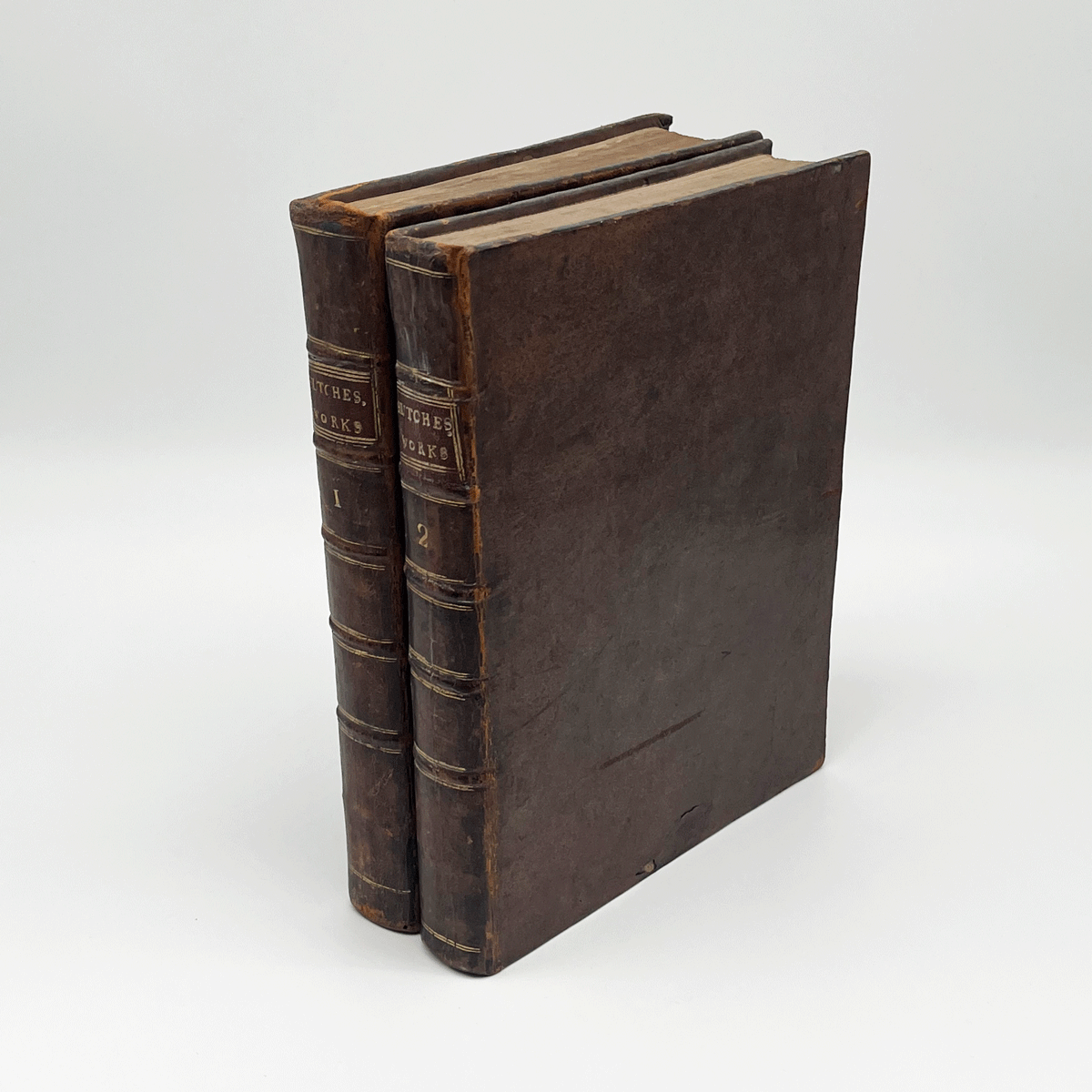 Image 1 of 30
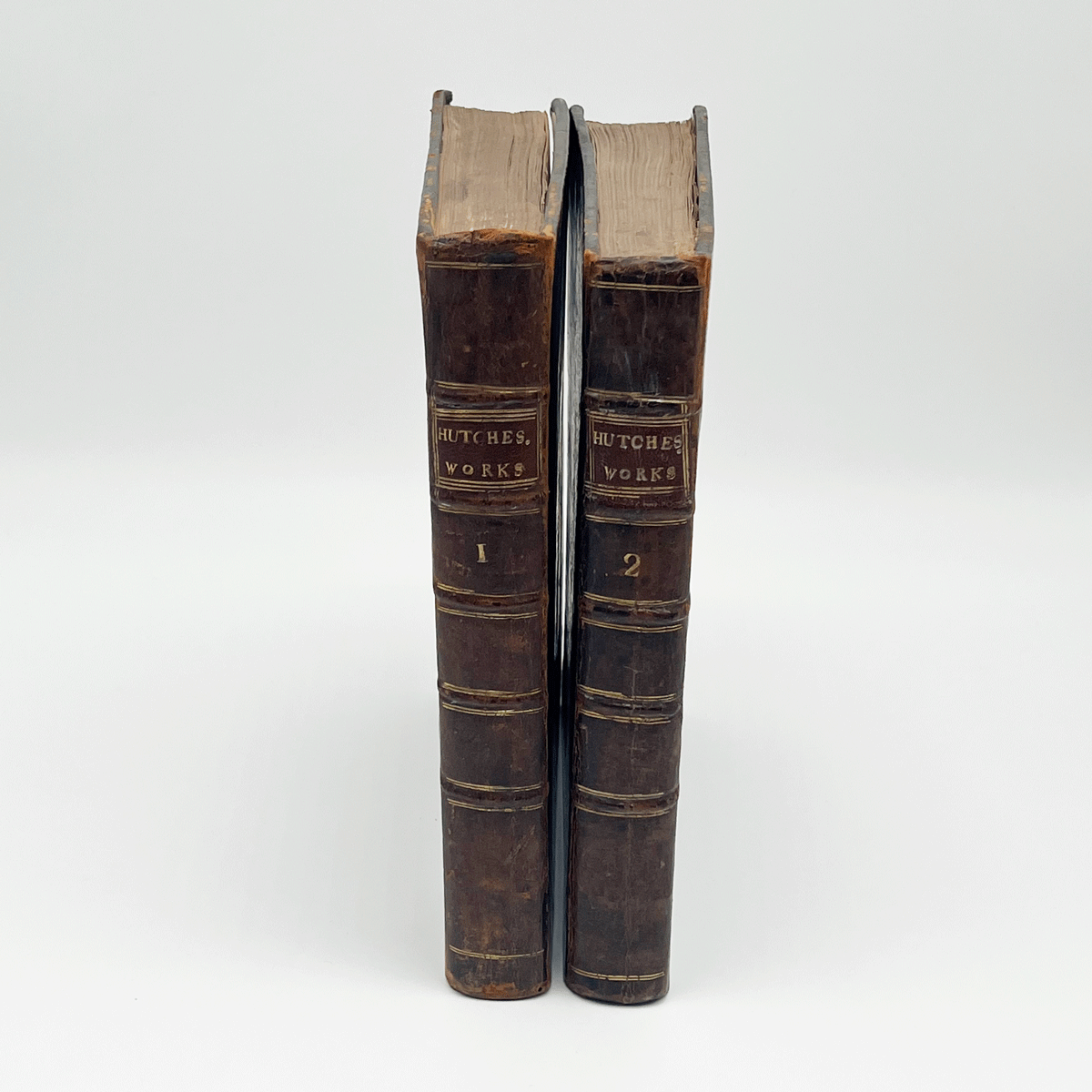 Image 2 of 30
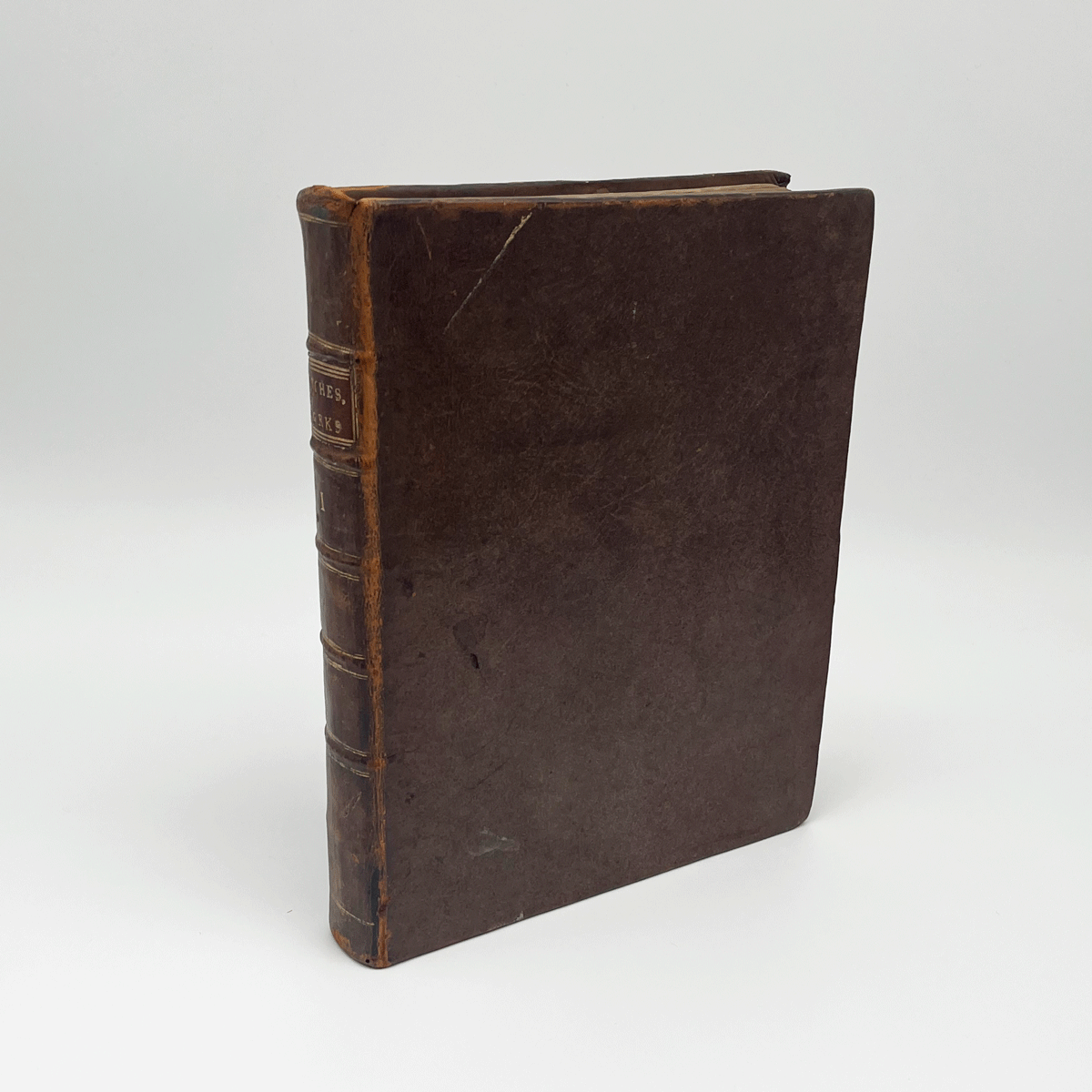 Image 3 of 30
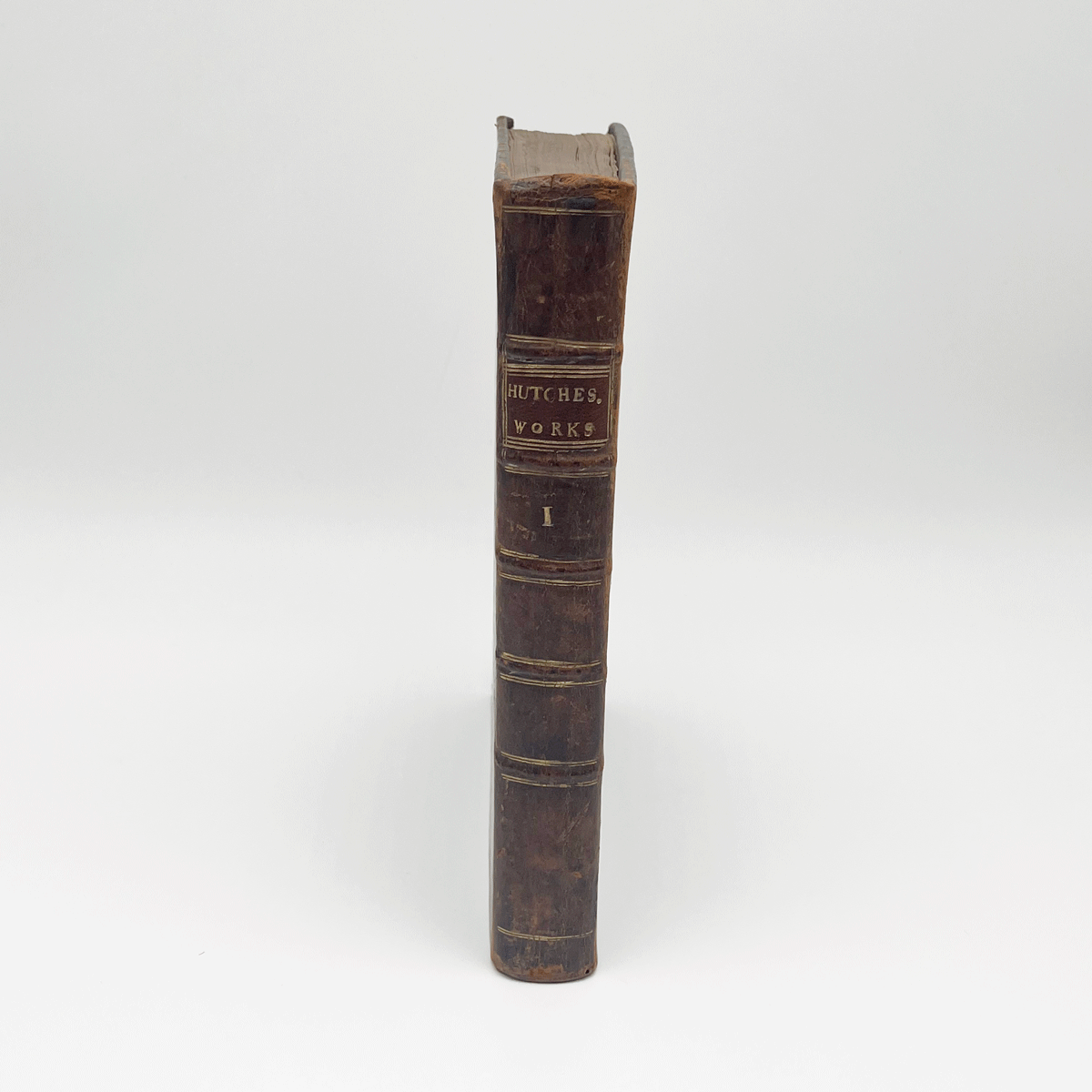 Image 4 of 30
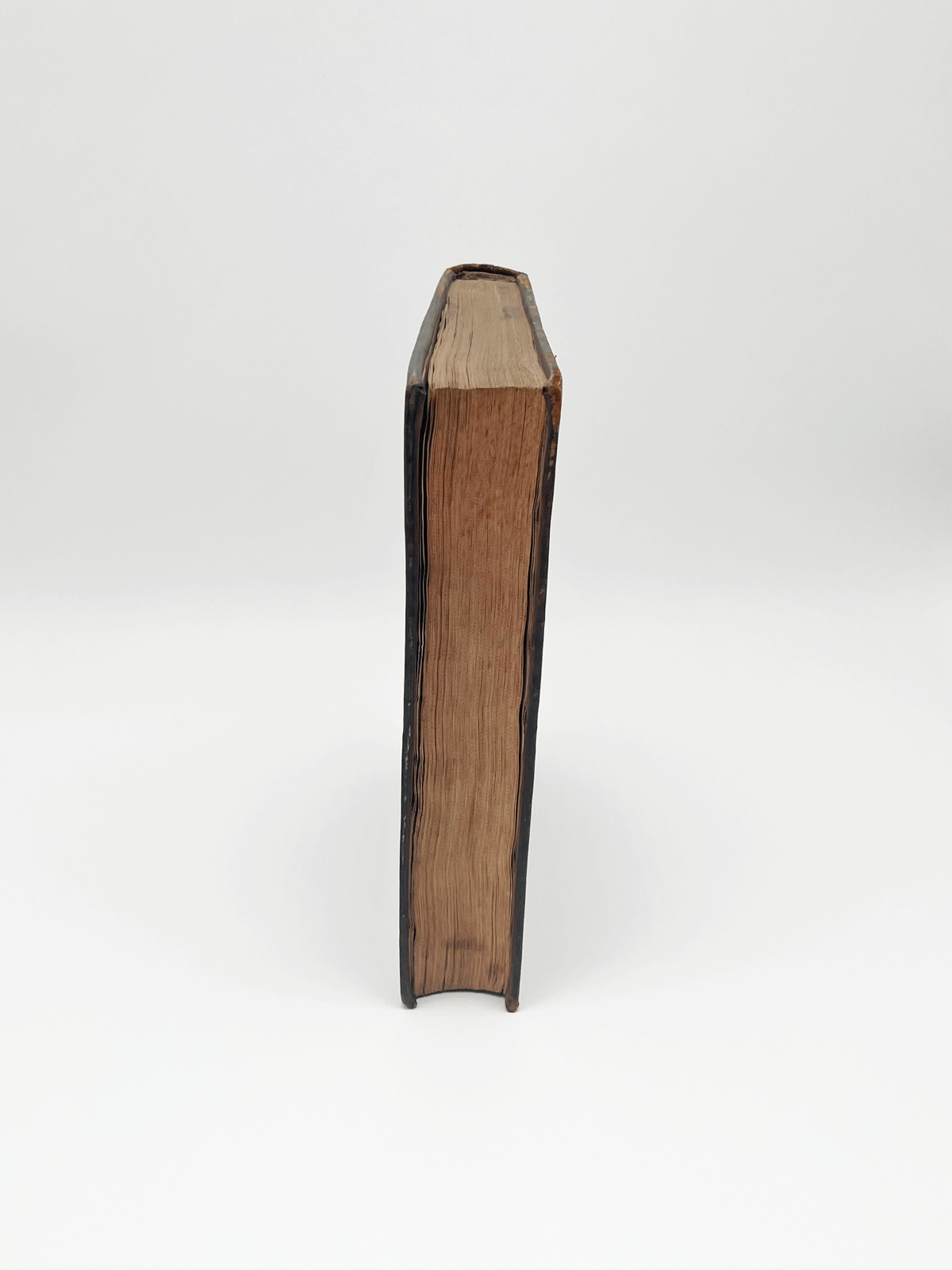 Image 5 of 30
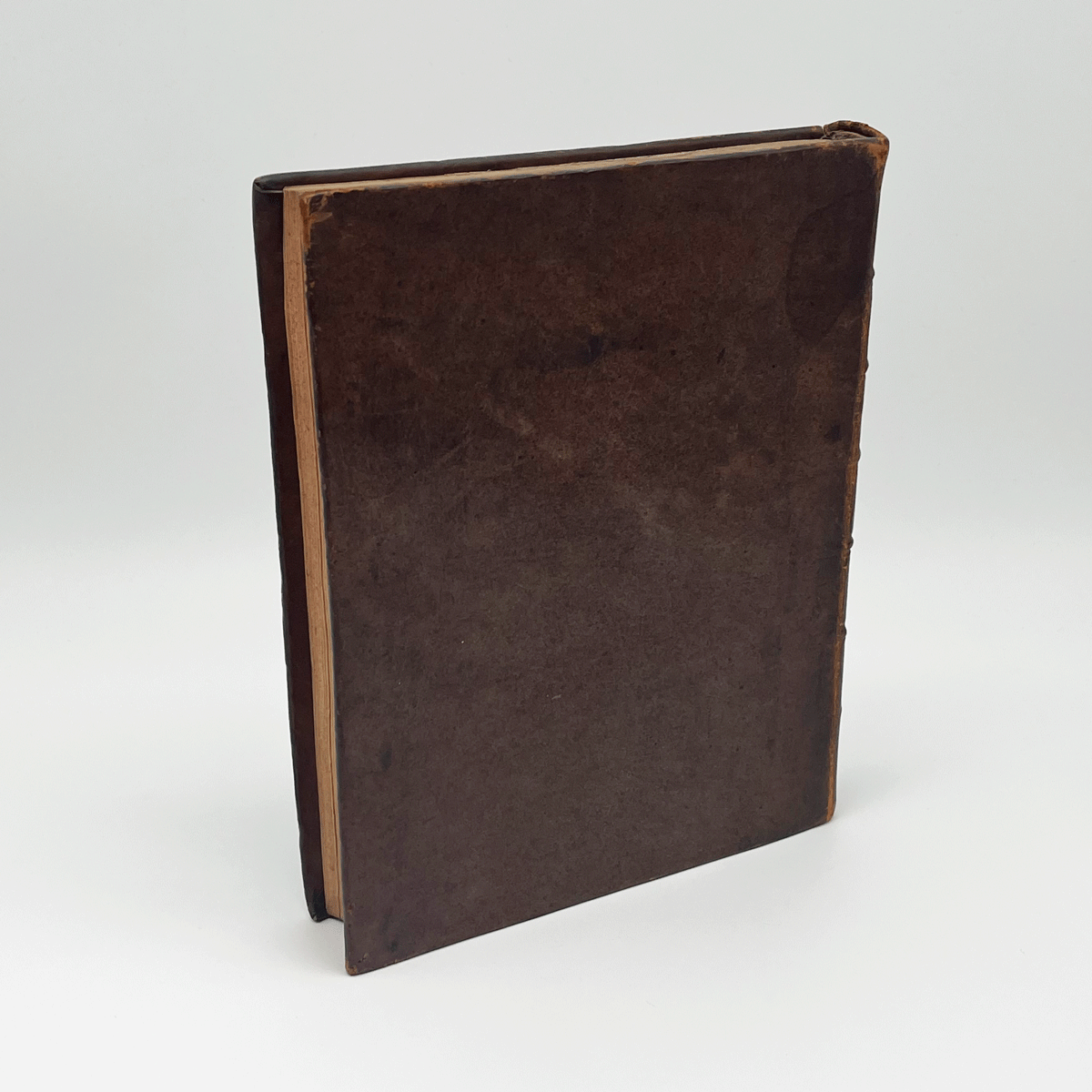 Image 6 of 30
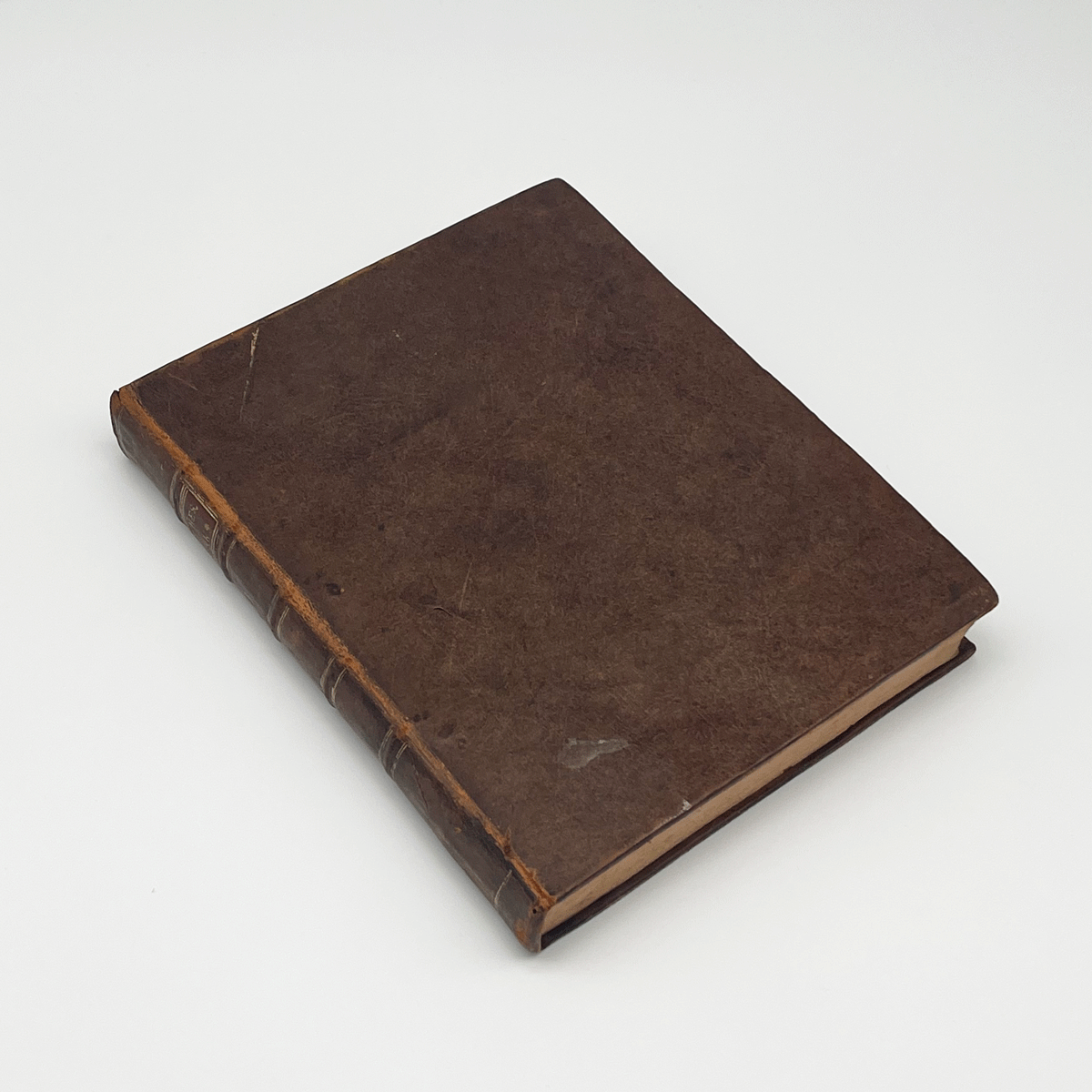 Image 7 of 30
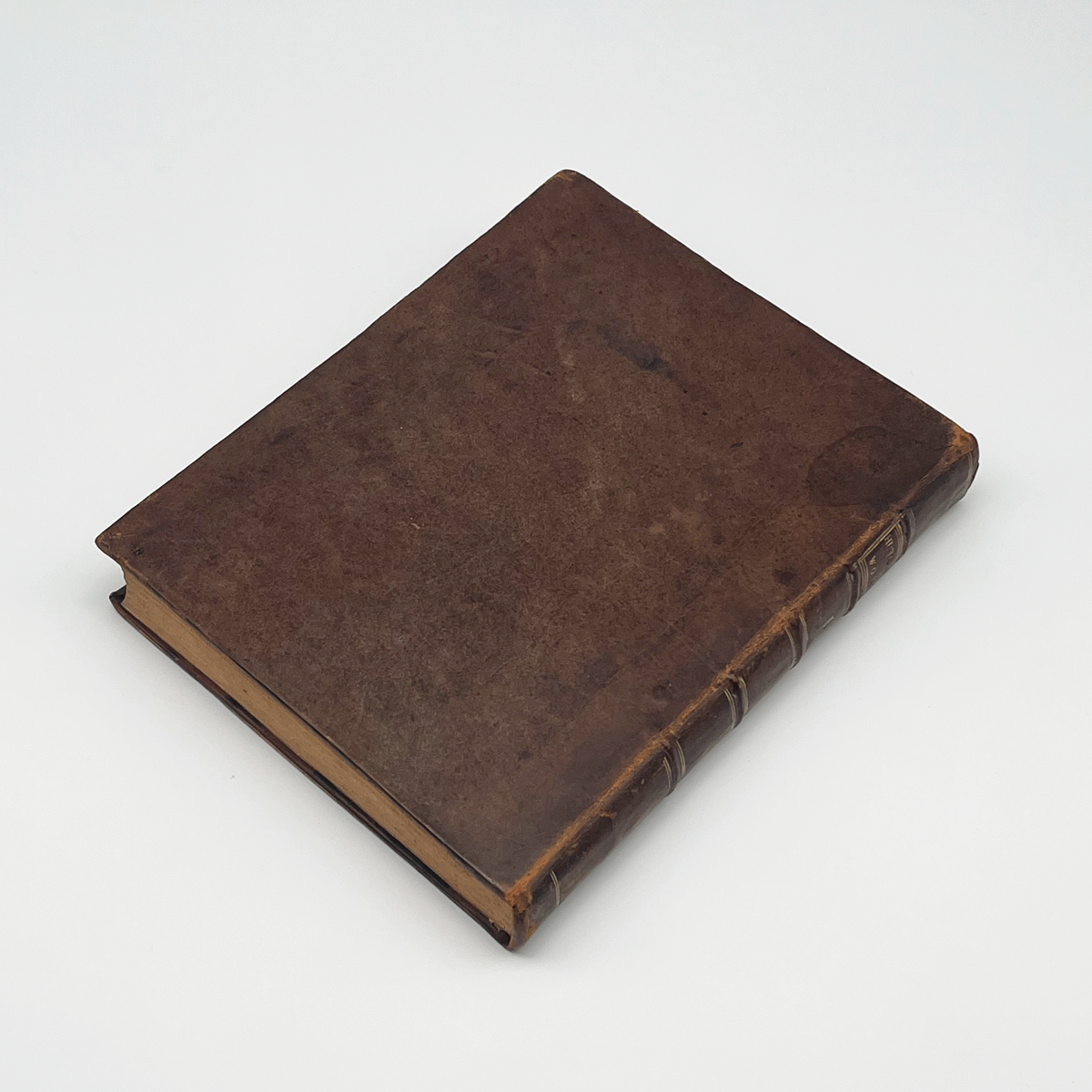 Image 8 of 30
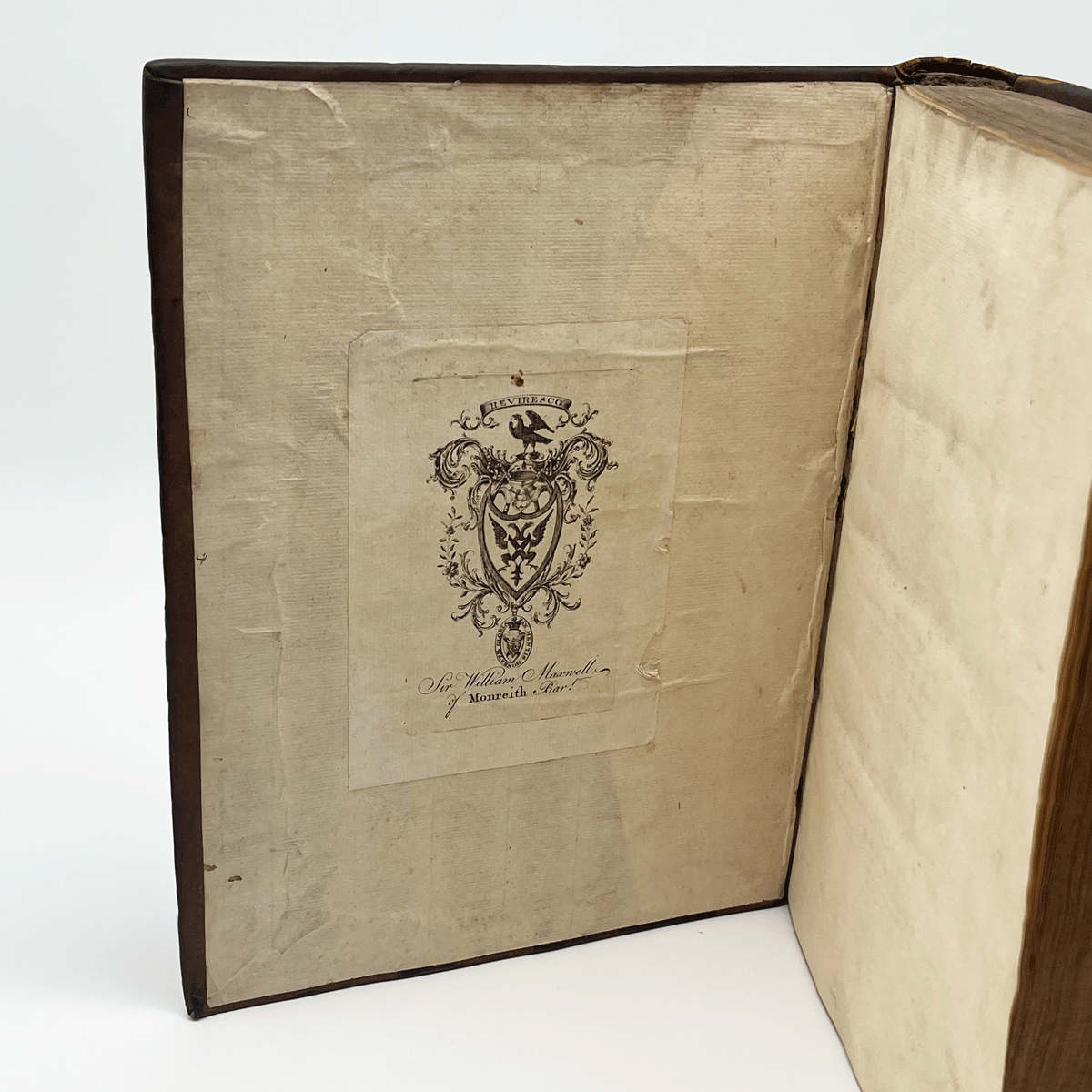 Image 9 of 30
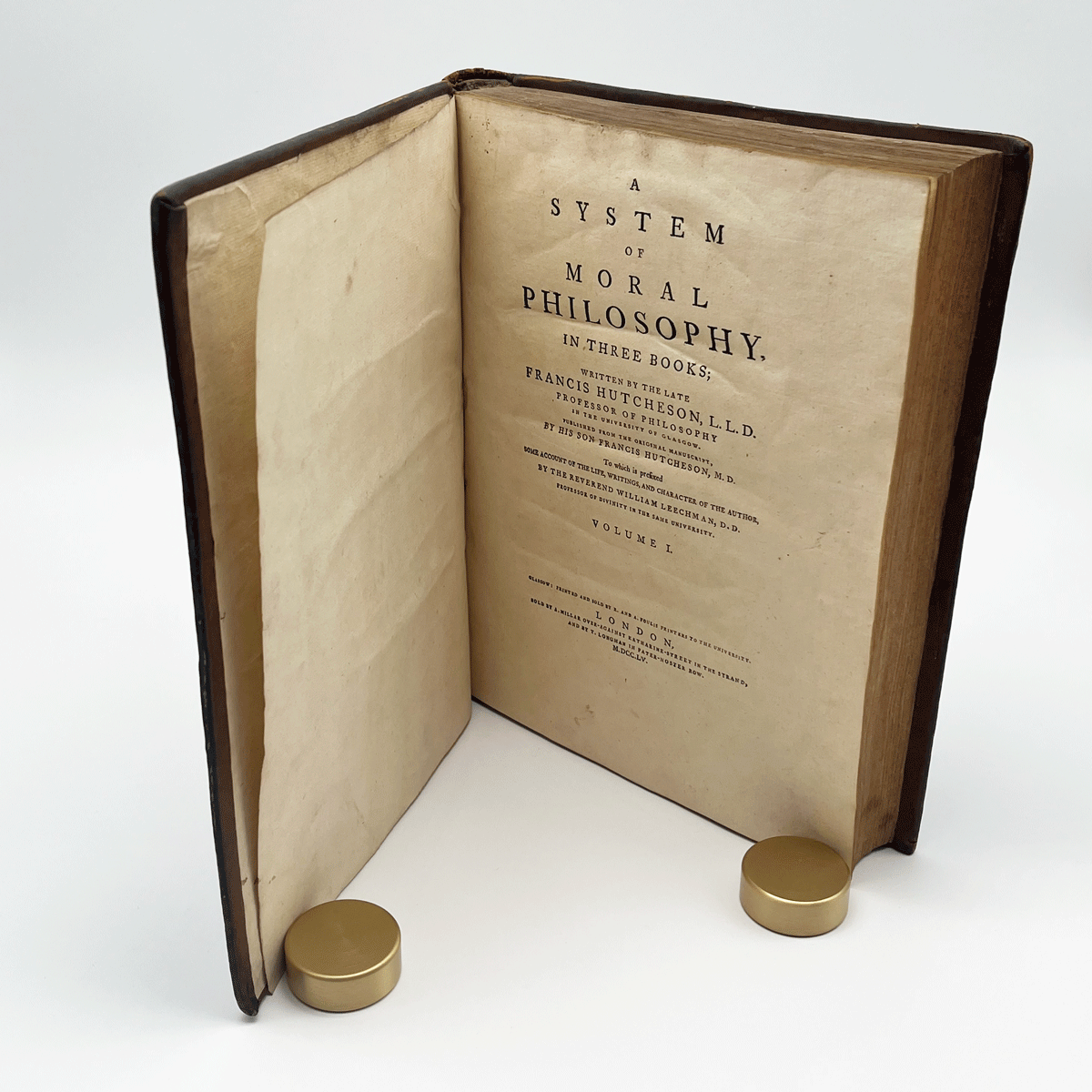 Image 10 of 30
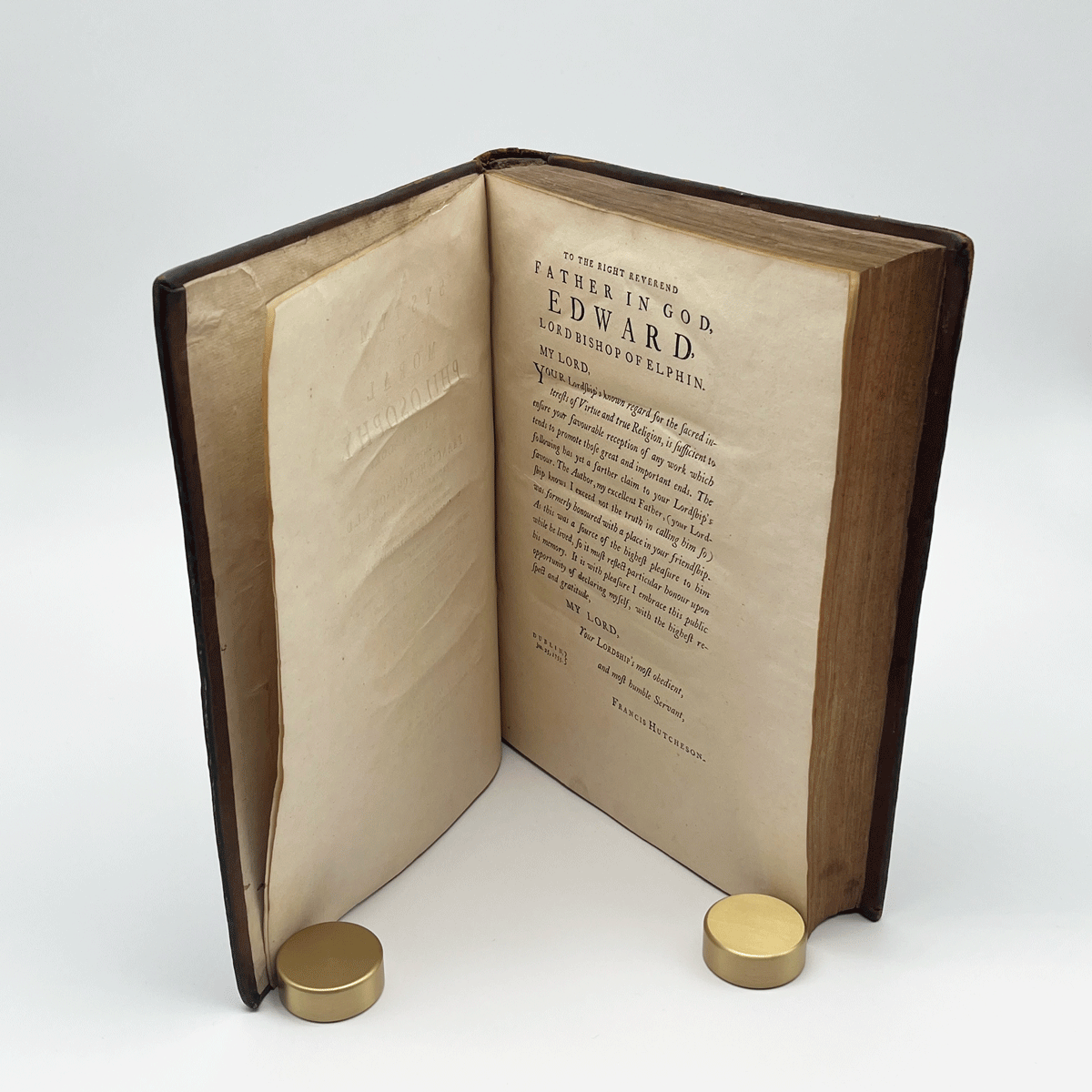 Image 11 of 30
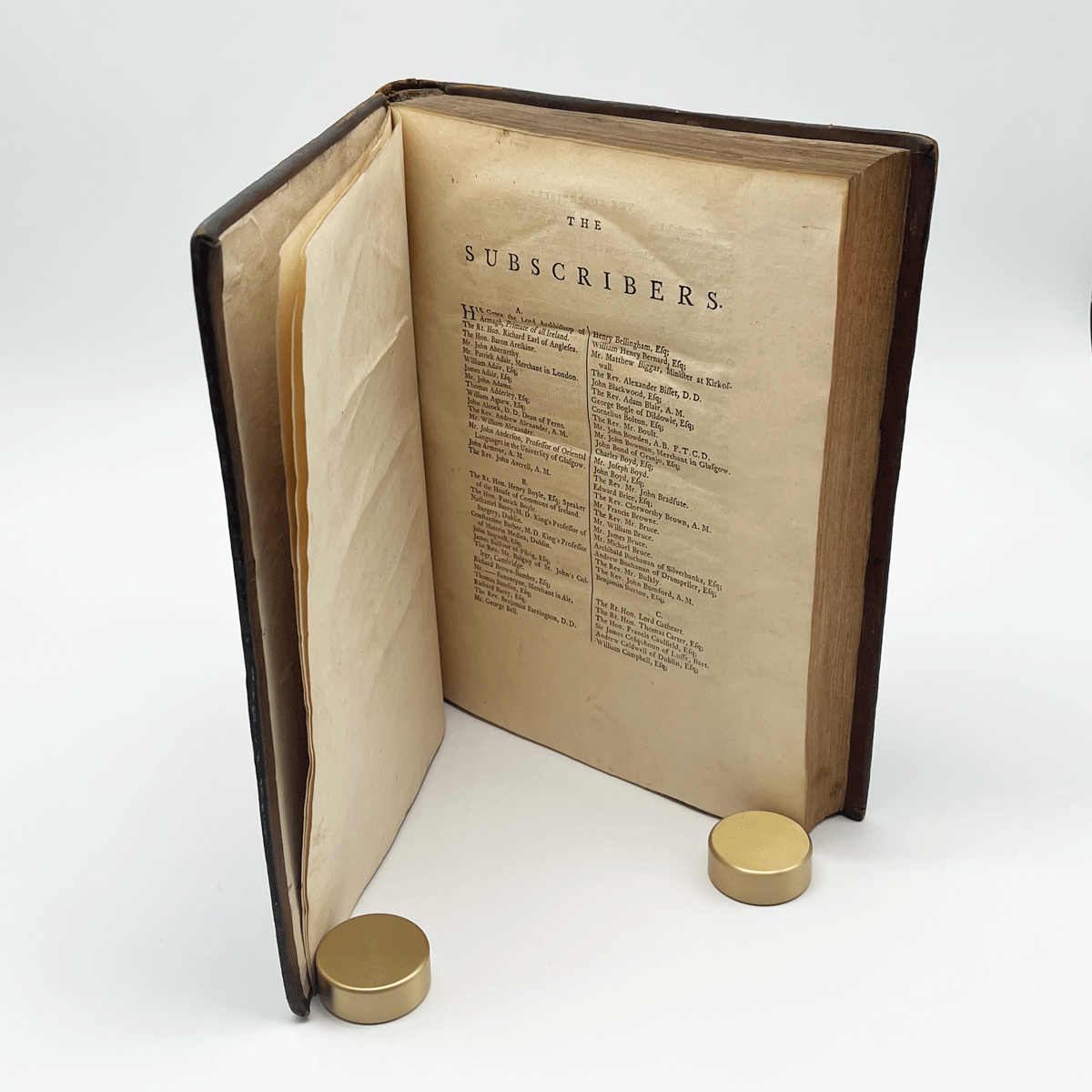 Image 12 of 30
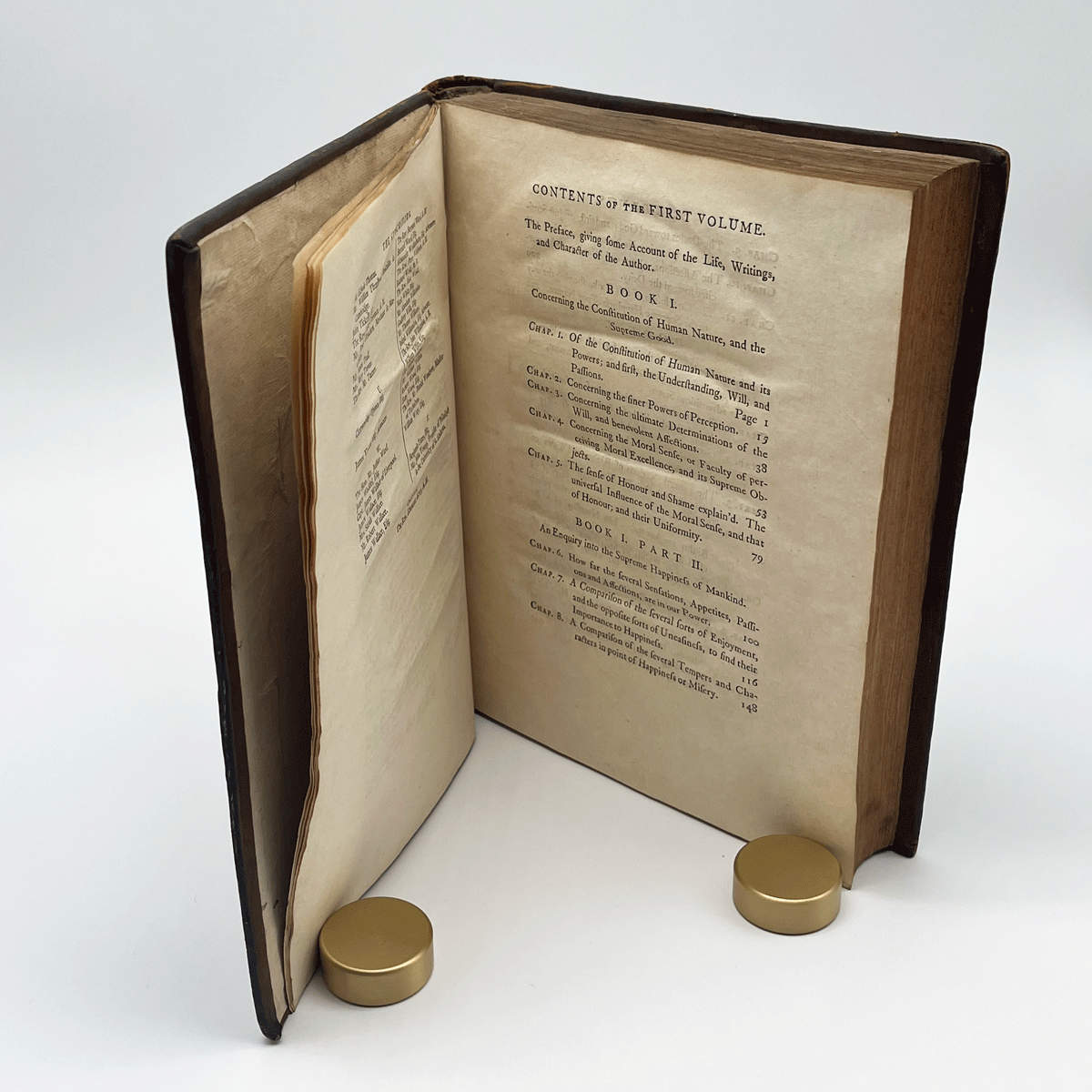 Image 13 of 30
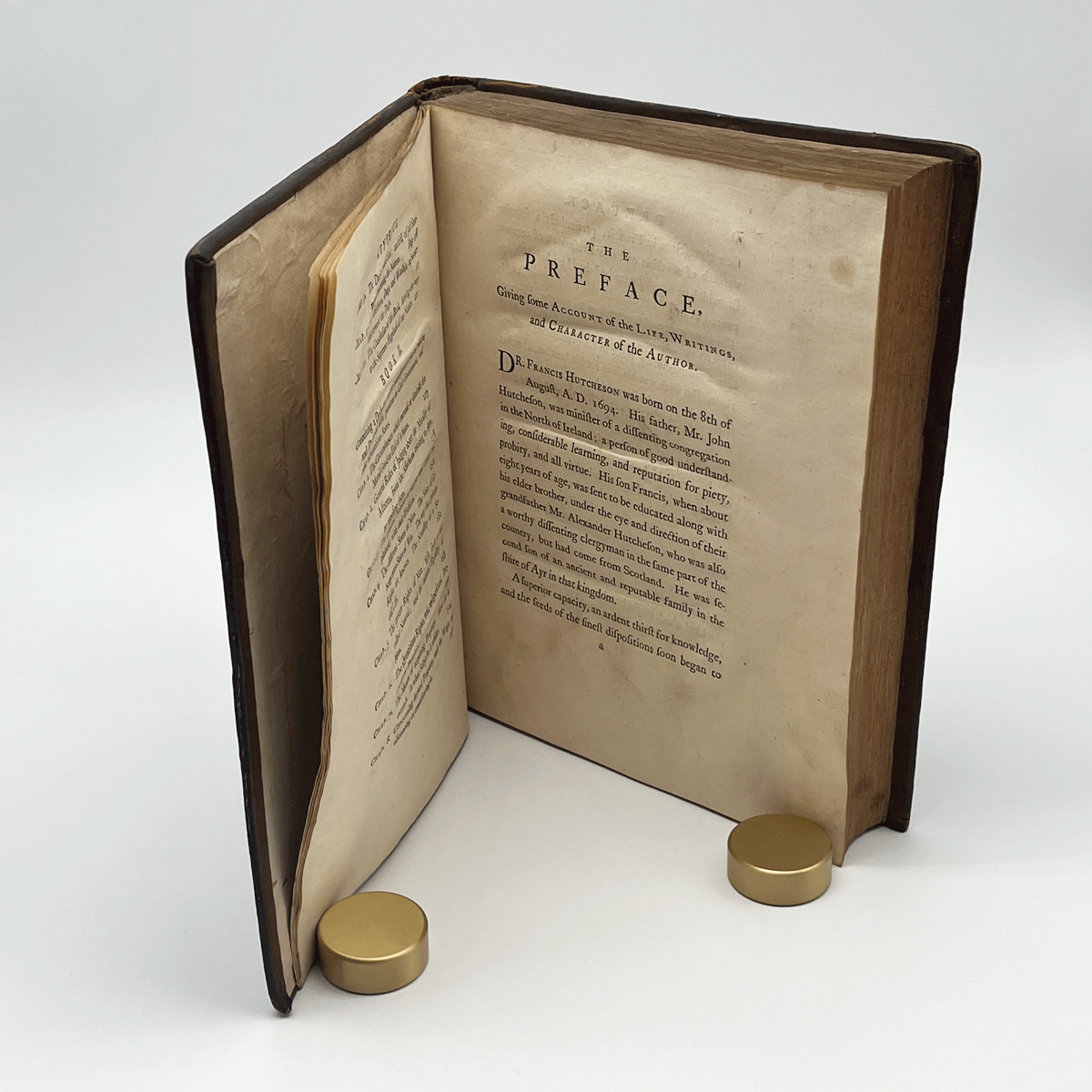 Image 14 of 30
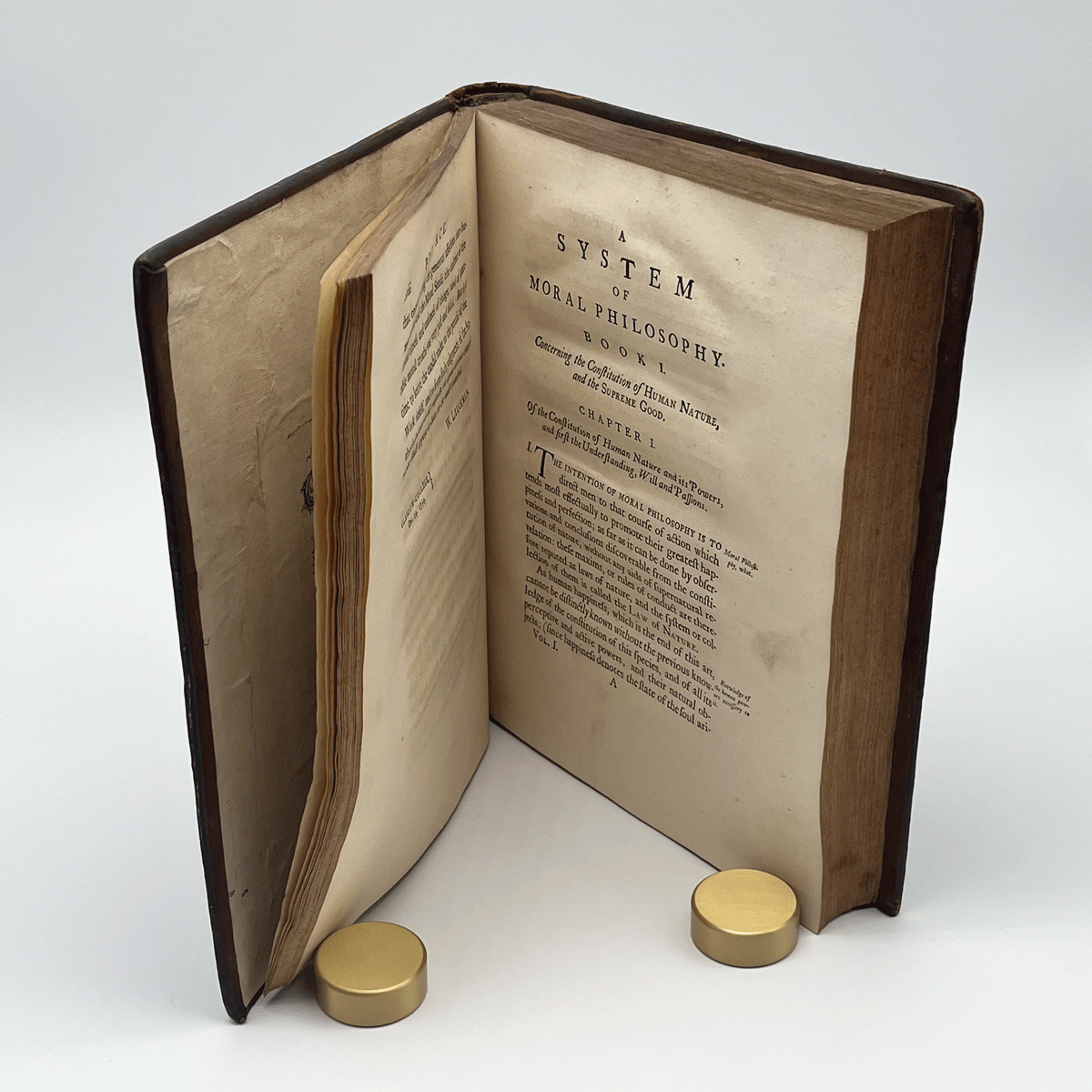 Image 15 of 30
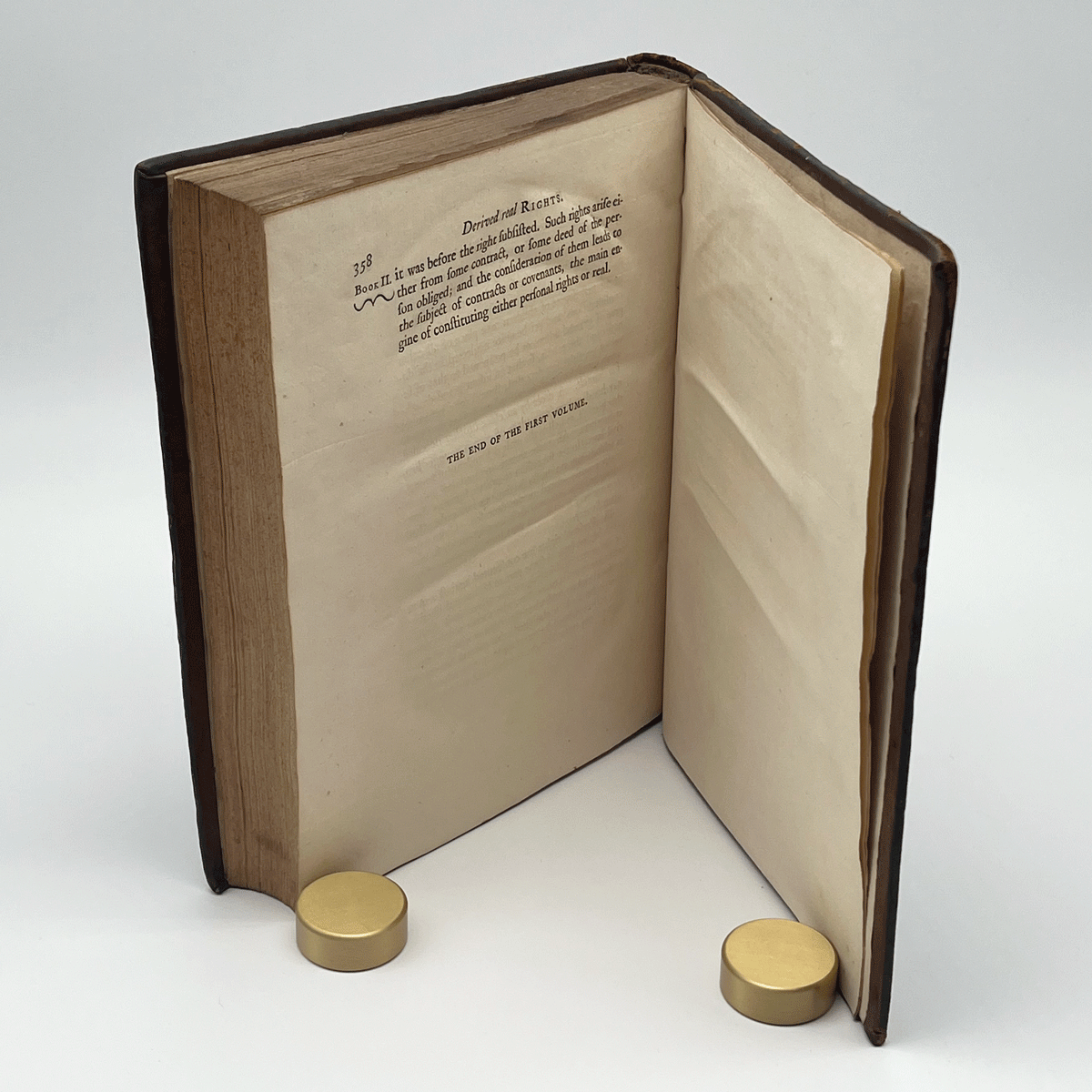 Image 16 of 30
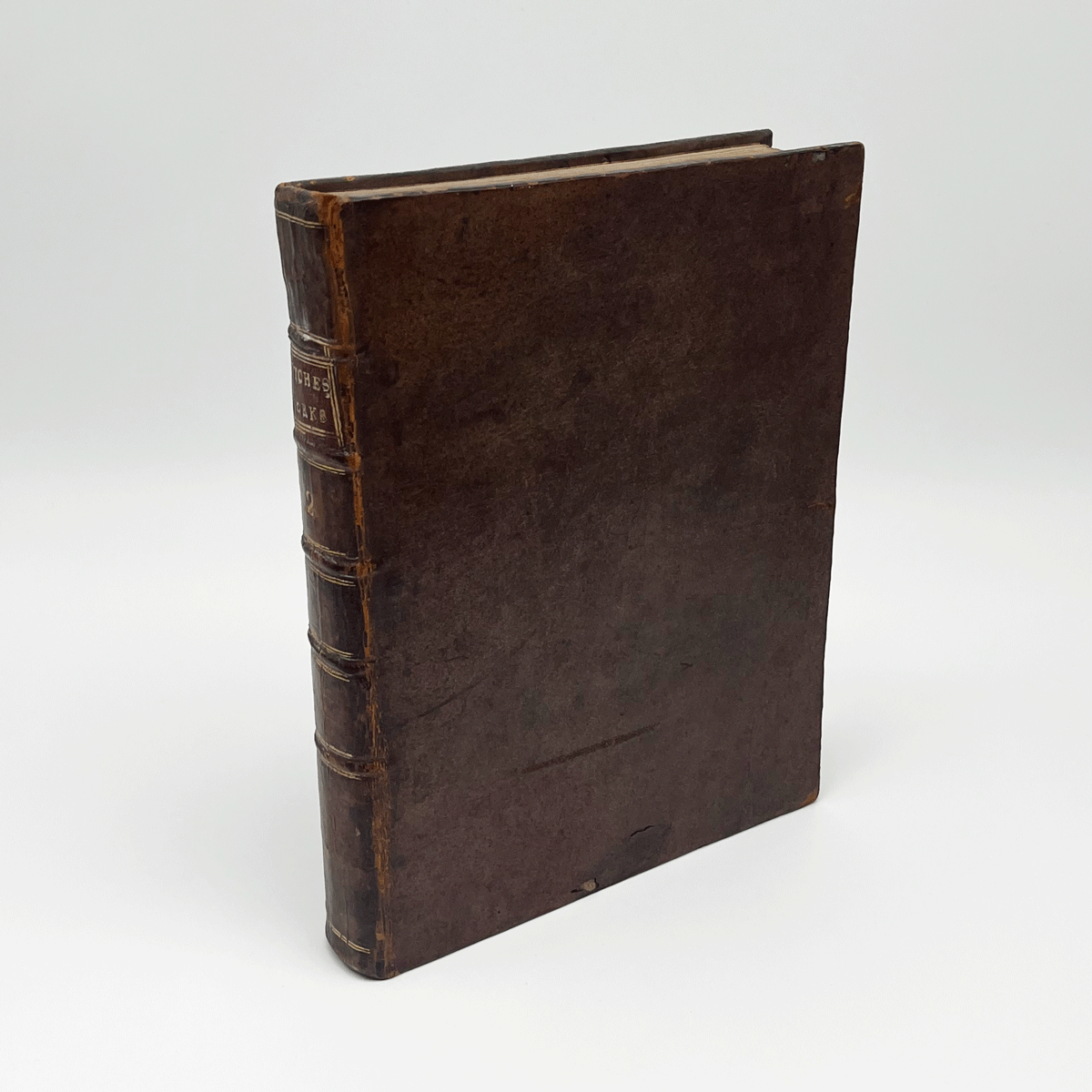 Image 17 of 30
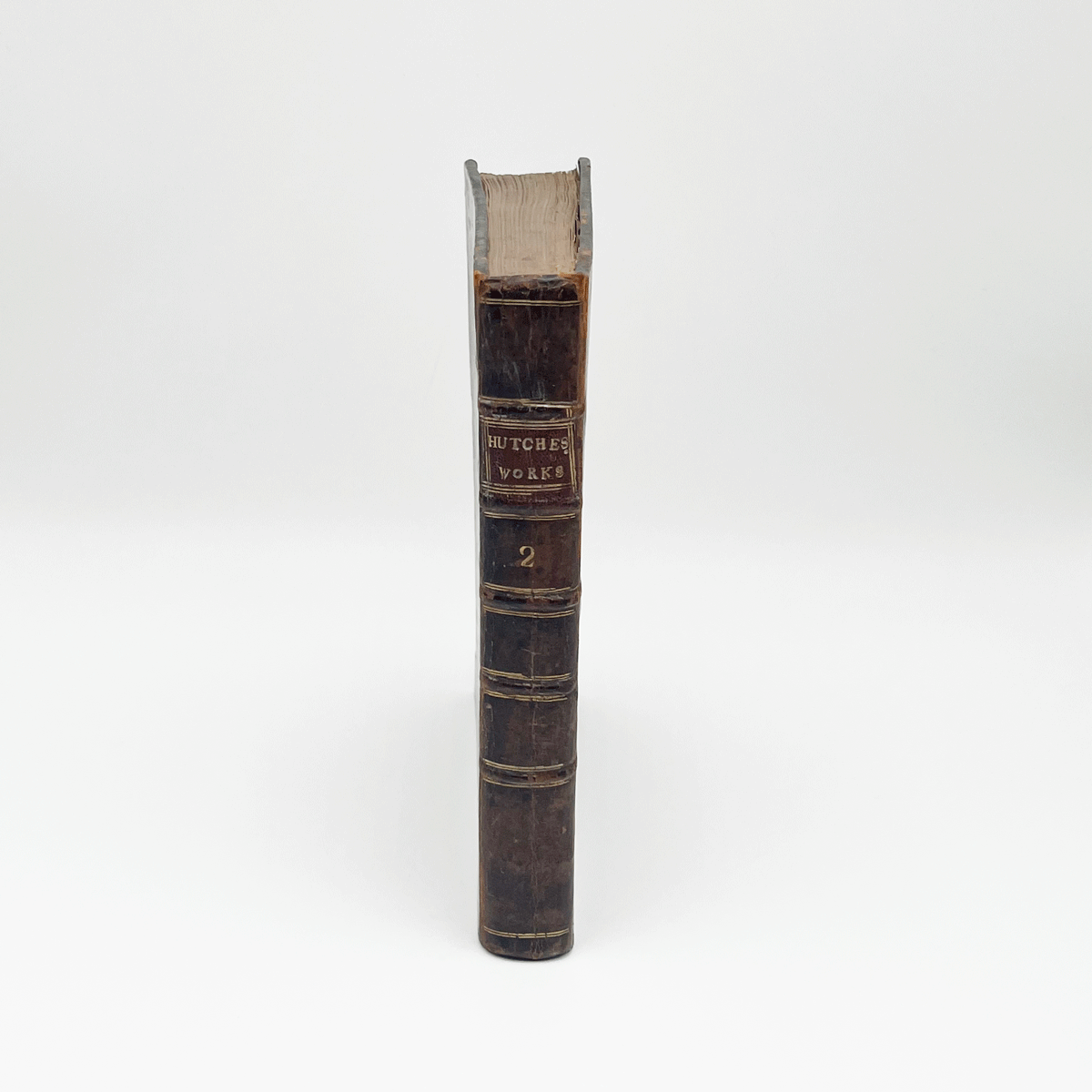 Image 18 of 30
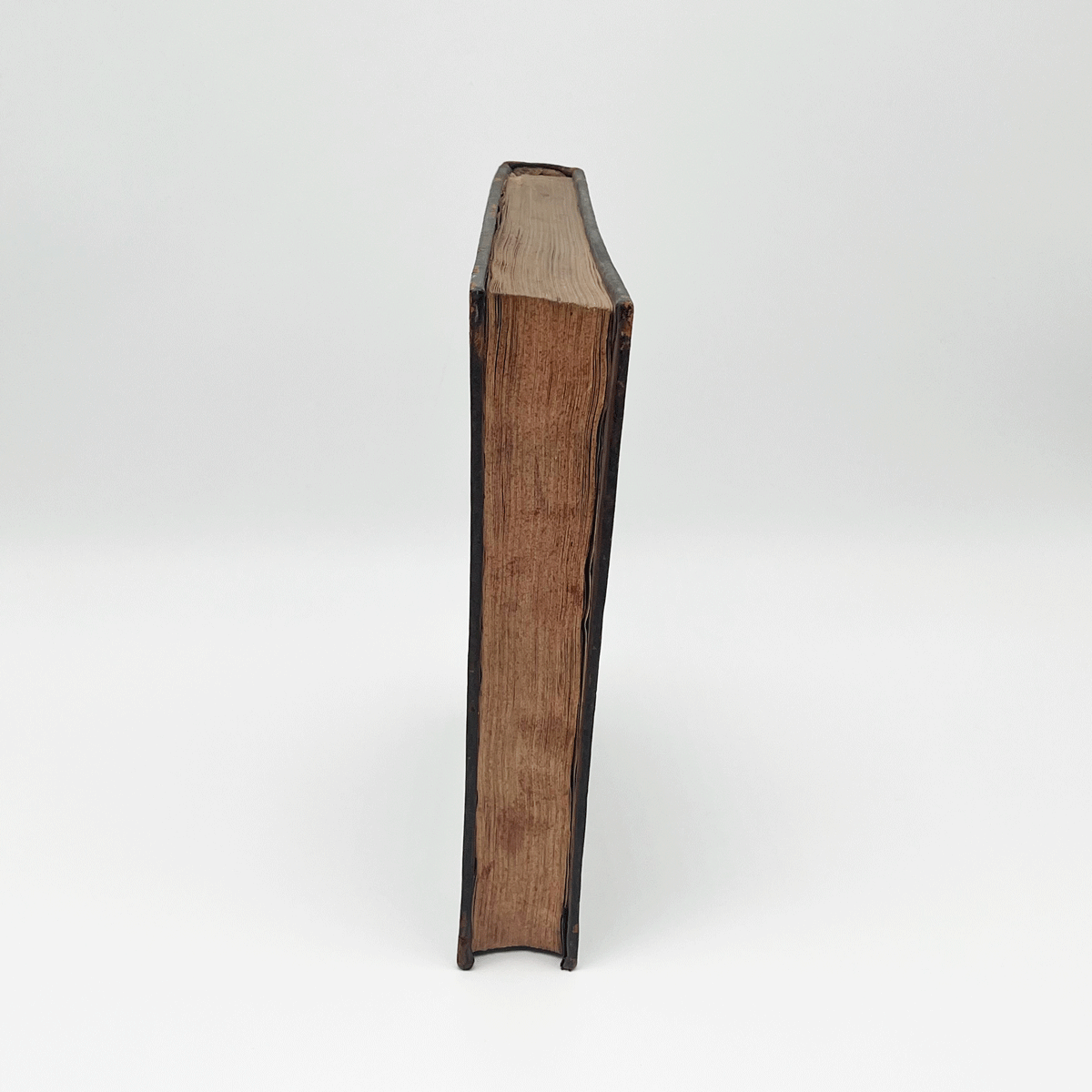 Image 19 of 30
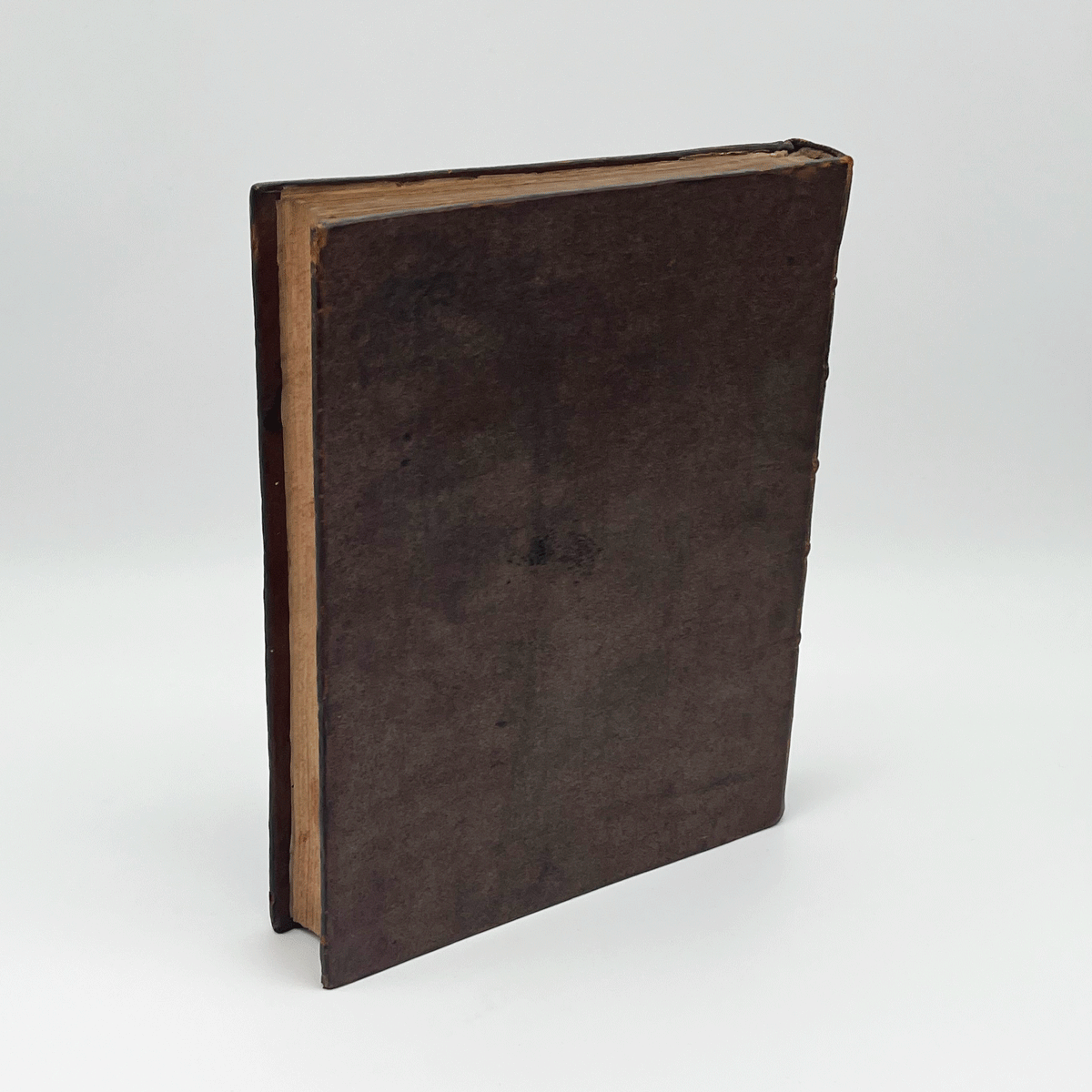 Image 20 of 30
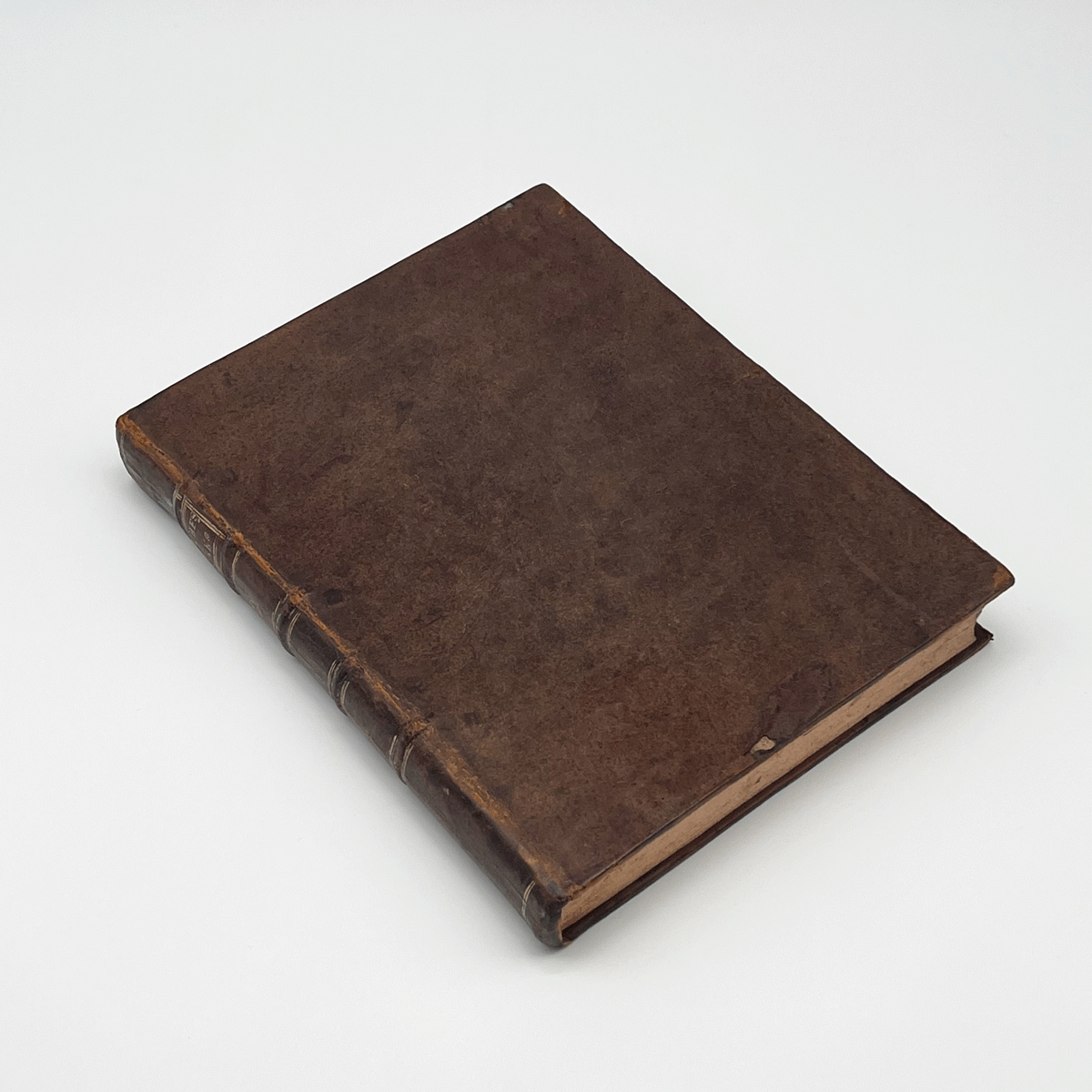 Image 21 of 30
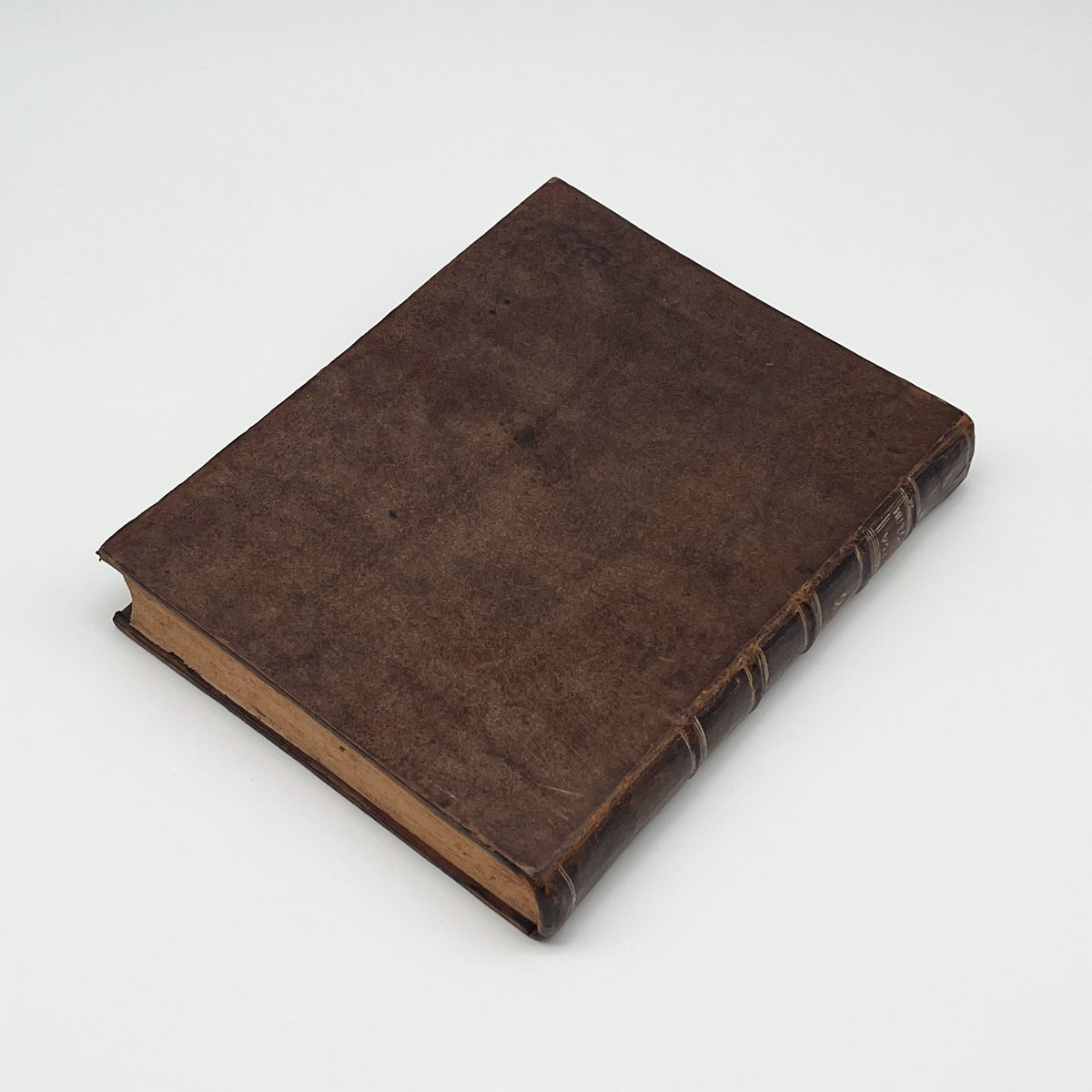 Image 22 of 30
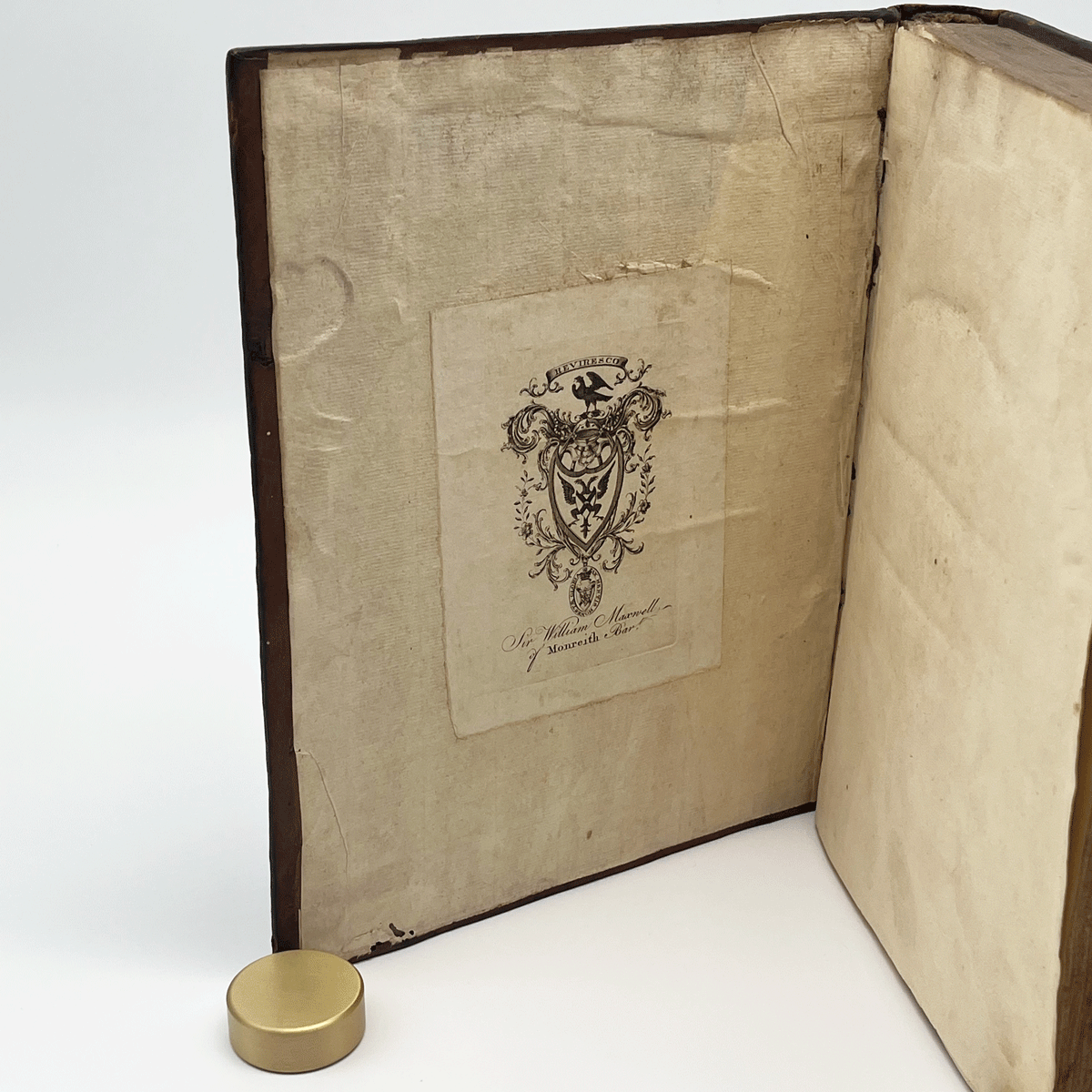 Image 23 of 30
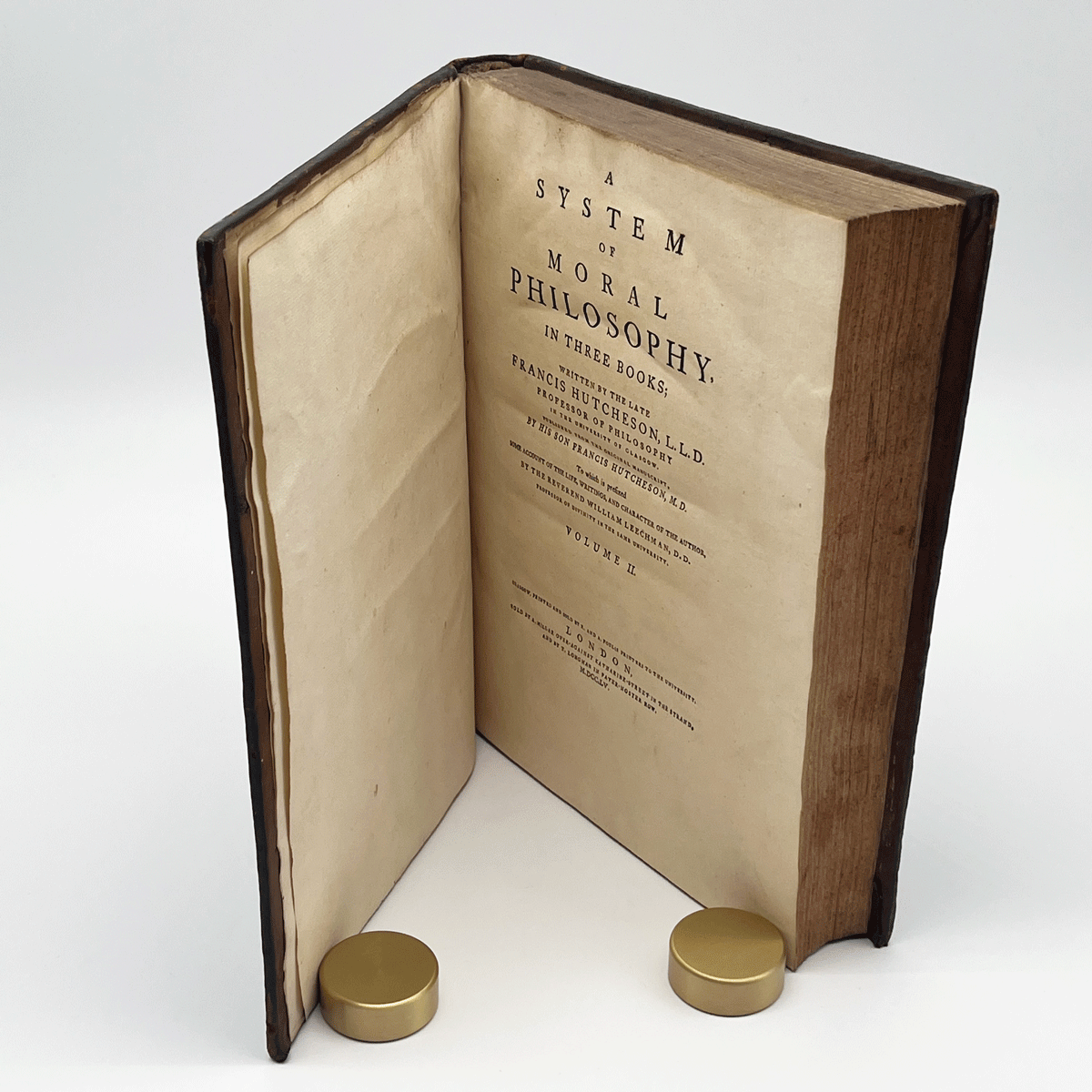 Image 24 of 30
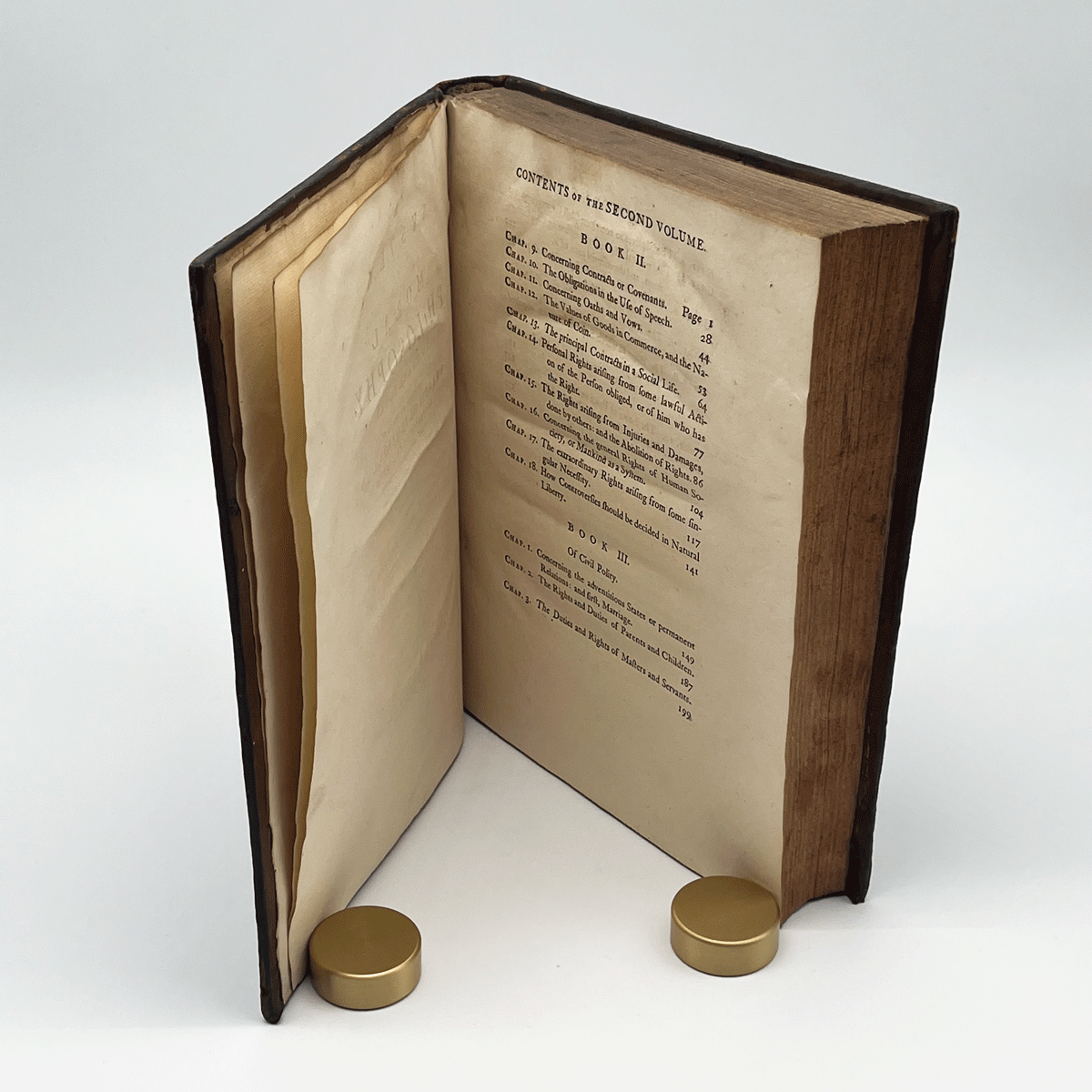 Image 25 of 30
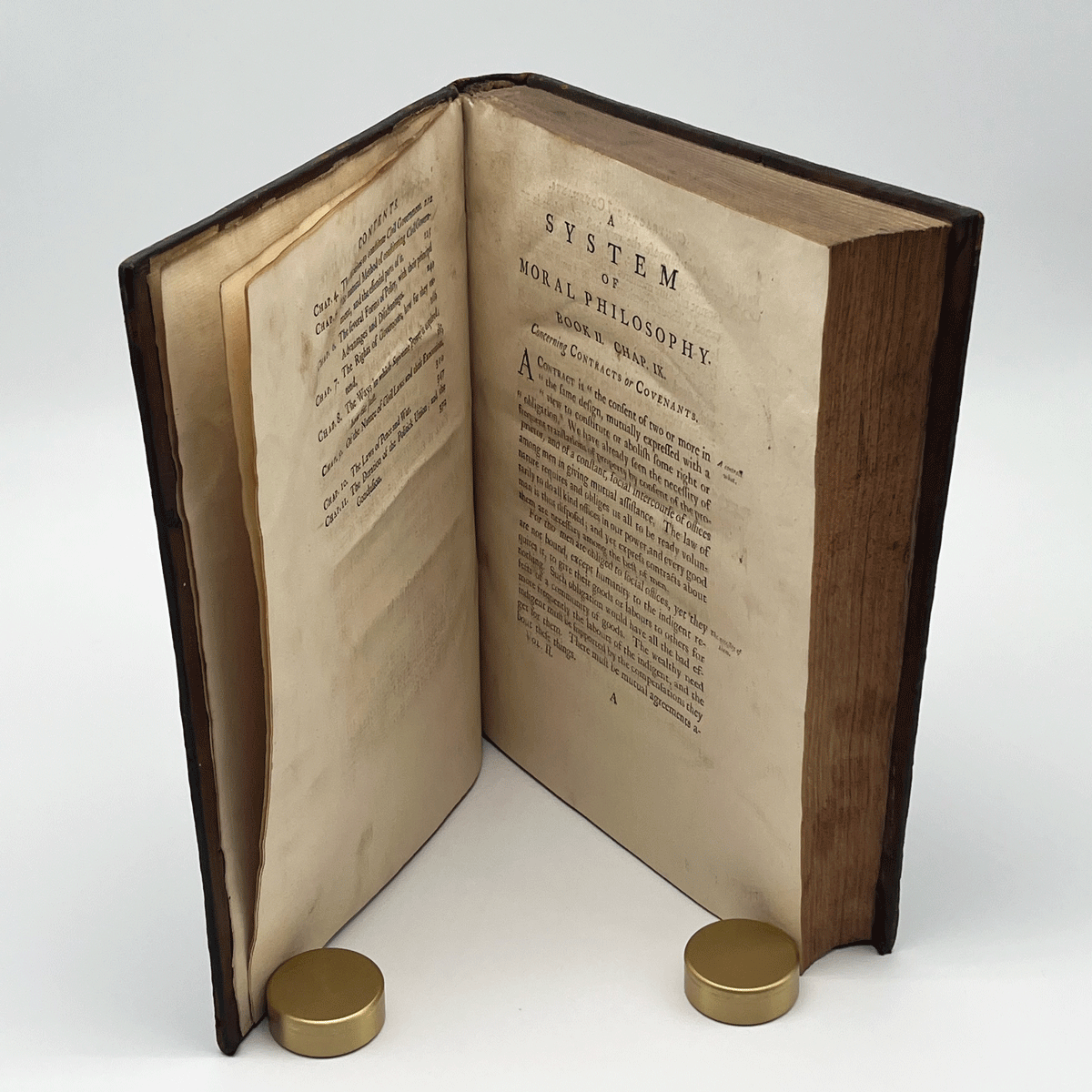 Image 26 of 30
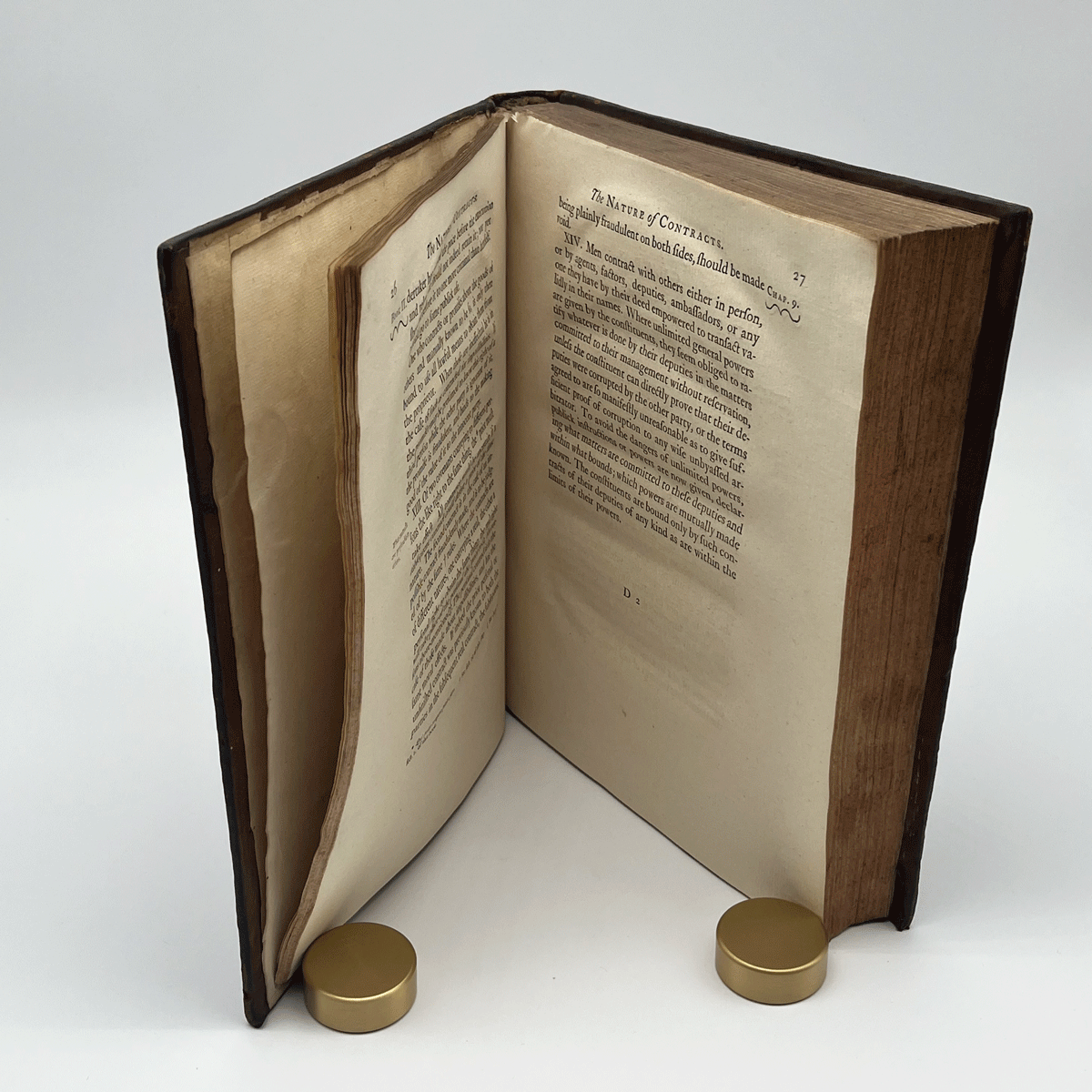 Image 27 of 30
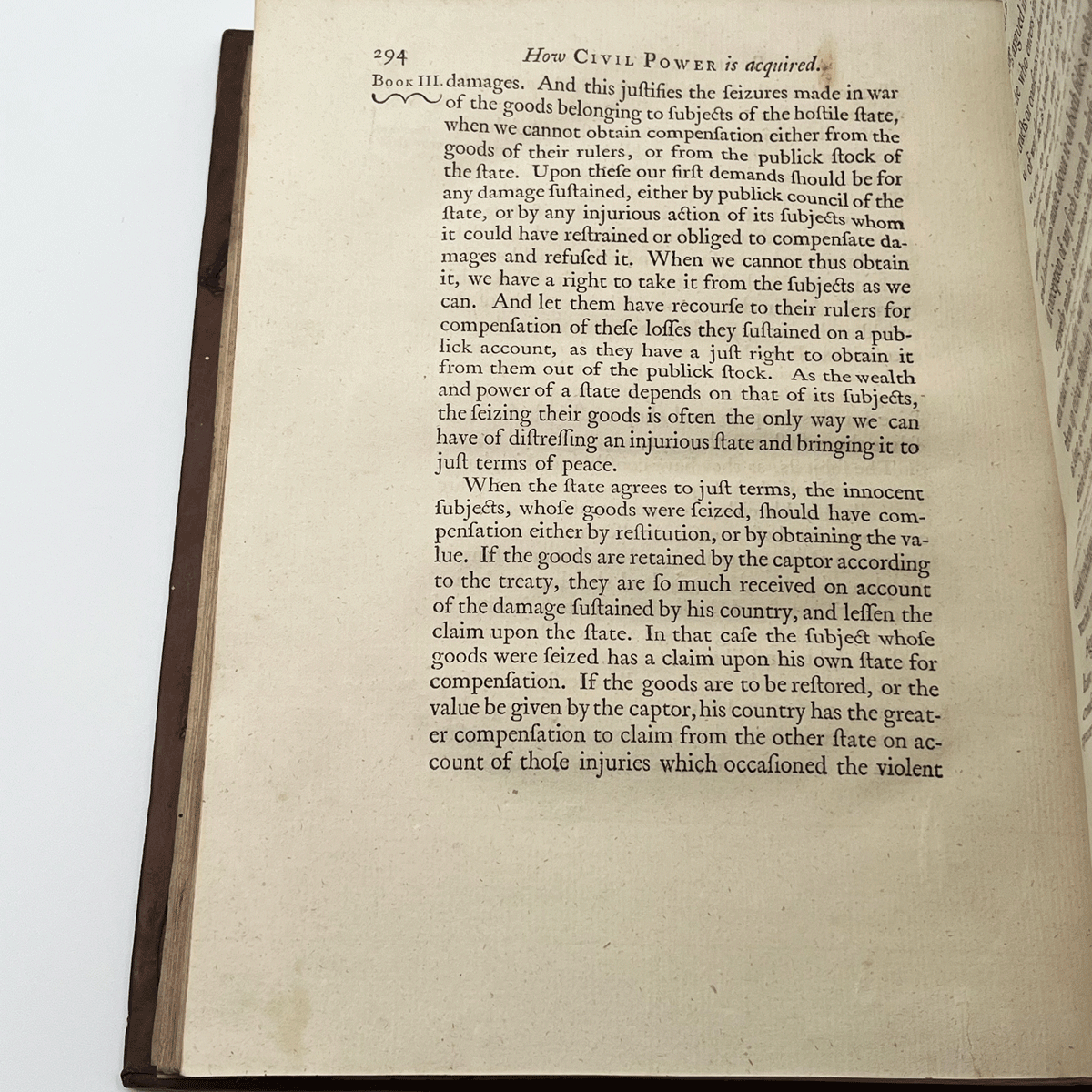 Image 28 of 30
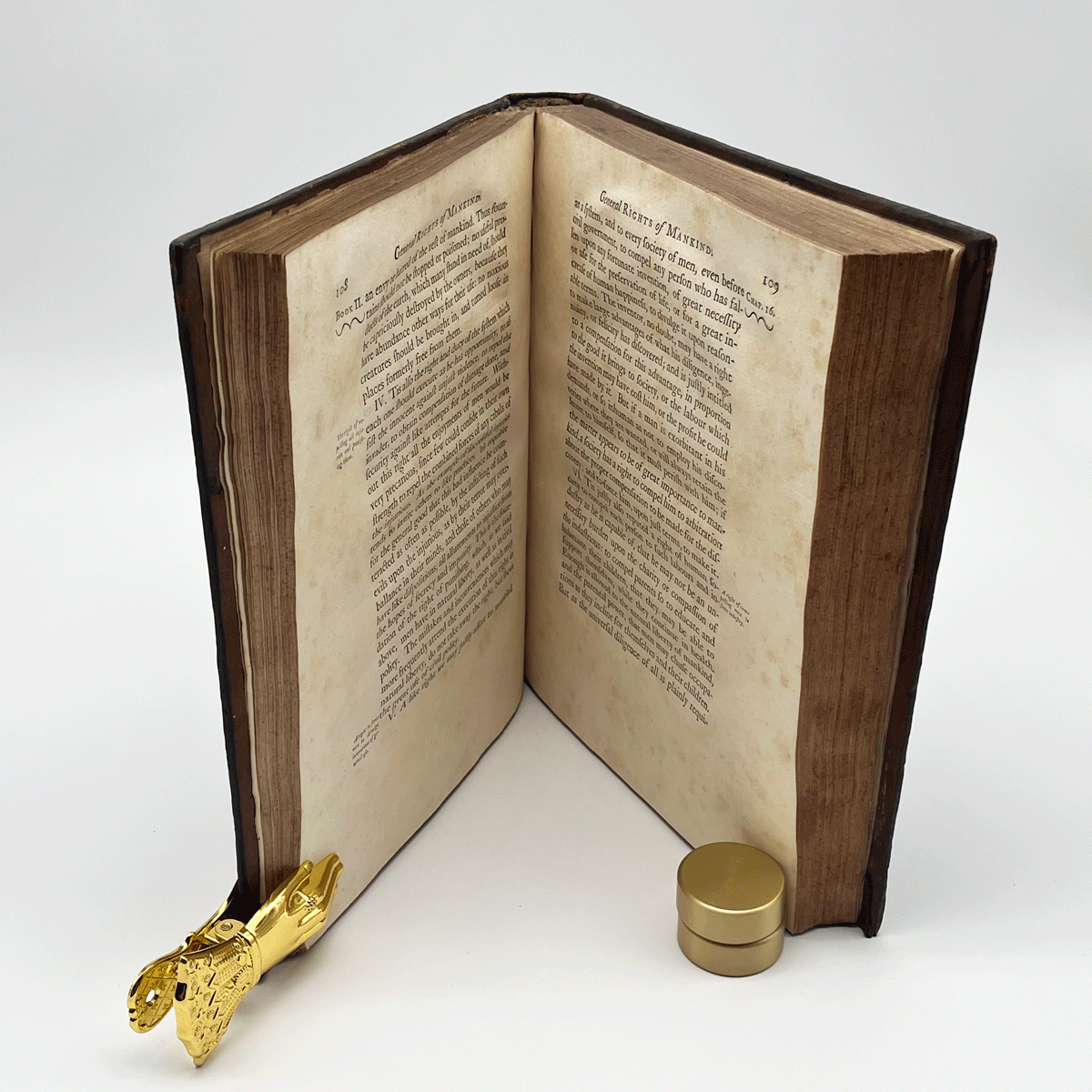 Image 29 of 30
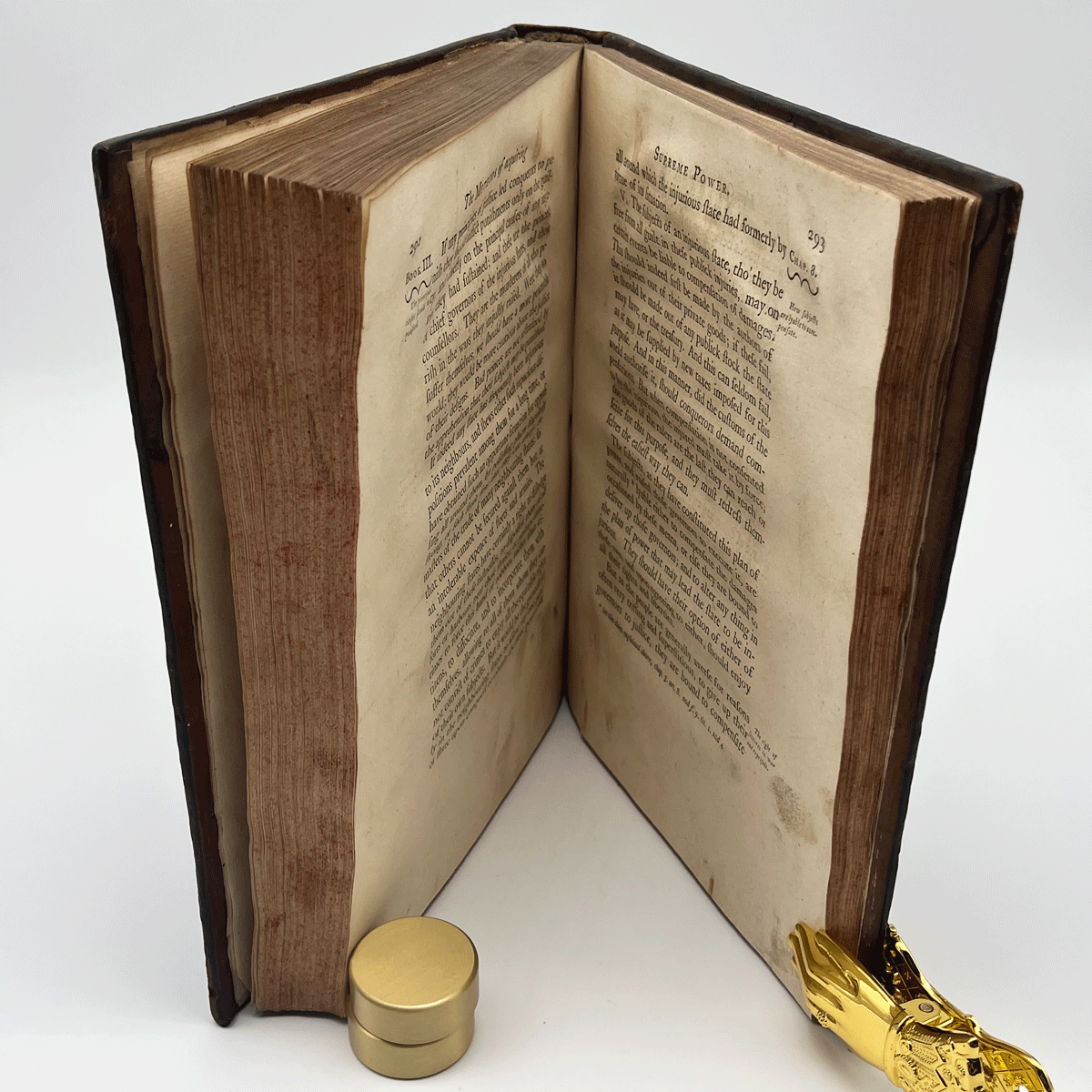 Image 30 of 30